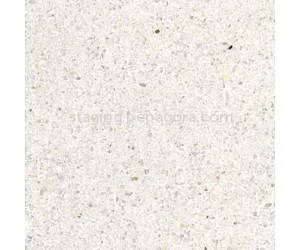
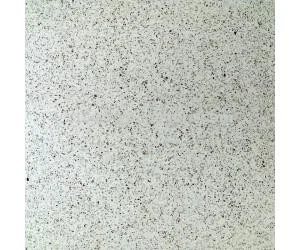
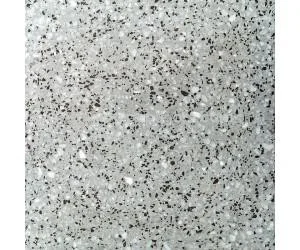
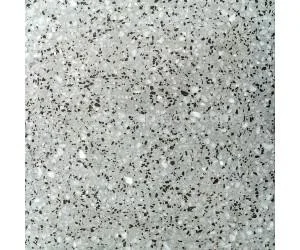
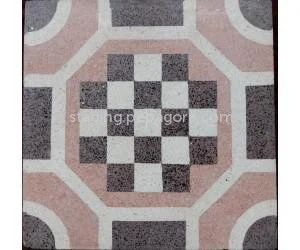
𝗪𝗵𝗮𝘁 𝗮𝗿𝗲 𝗧𝗶𝗹𝗲𝘀, 𝗠𝗮𝗿𝗯𝗹𝗲, 𝗚𝗿𝗮𝗻𝗶𝘁𝗲 & 𝗙𝗹𝗼𝗼𝗿𝗶𝗻𝗴?
Tiles, marble, granite, and flooring are essential materials used in construction and interior design. Tiles are typically thin, flat pieces made from ceramic, porcelain, or natural stone. Marble is a natural stone renowned for its elegance and beauty, often used in high-end applications. Granite is a durable natural stone, known for its strength and resistance to wear. Flooring encompasses a variety of materials used to cover surfaces, providing both aesthetic appeal and functional performance.
These materials find extensive use across different sectors, including residential, commercial, and industrial applications. Tiles are commonly employed for walls and floors due to their versatility and ease of maintenance. Marble is often chosen for luxury spaces such as hotels and showrooms, while granite is favored in kitchens and high-traffic areas for its resilience. Flooring products are vital in creating comfortable and attractive environments in homes, offices, and retail spaces.
In the current market, there is a growing demand for sustainable and aesthetically pleasing materials. As construction practices evolve, the integration of eco-friendly options and innovative designs becomes increasingly relevant. The tiles, marble, granite, and flooring industry reflects these trends, adapting to meet the needs of modern consumers while maintaining traditional craftsmanship.
𝗞𝗲𝘆 𝗙𝗲𝗮𝘁𝘂𝗿𝗲𝘀 𝗮𝗻𝗱 𝗦𝗽𝗲𝗰𝗶𝗳𝗶𝗰𝗮𝘁𝗶𝗼𝗻𝘀
Tiles, marble, granite, and flooring materials come with various features and specifications that define their quality and performance. Understanding these specifications is crucial for B2B buyers aiming to make informed purchasing decisions.
Key specifications include:
1. Material Type
- Options include ceramic, porcelain, marble, and granite.
- Each material type offers distinct characteristics in terms of durability and aesthetics.
2. Thickness
- Typically ranges from 8mm to 20mm for tiles, while marble and granite slabs may vary.
- Thickness impacts strength and suitability for specific applications.
3. Finish Type
- Available finishes include polished, honed, and matte.
- The finish affects the surface appearance and slip resistance.
4. Water Absorption Rate
- Varies by material; for example, porcelain tiles generally have lower absorption rates.
- Important for moisture-prone areas.
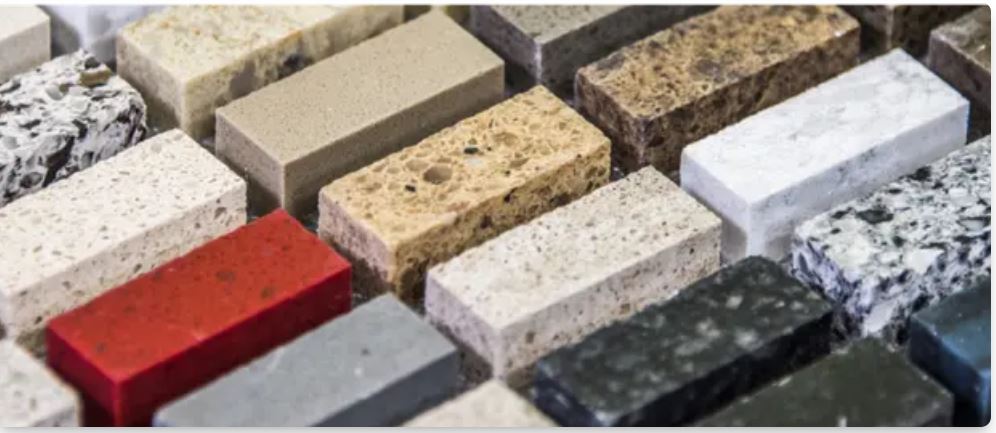
5. Color and Pattern Variability
- Wide range of colors and patterns available, particularly with natural stones.
- Allows for customization to suit design preferences.
6. Slip Resistance Rating
- Rated according to industry standards to ensure safety.
- Essential for flooring applications in commercial spaces.
7. Compliance Standards
- Products may adhere to standards such as CE marking for safety and quality.
- Ensures materials meet regulatory requirements.
8. Environmental Certifications
- Some products may have certifications for sustainability.
- Relevant for eco-conscious buyers.
These specifications ensure that buyers can select the right materials for their projects, balancing aesthetics, performance, and compliance.
𝗖𝗼𝗺𝗺𝗼𝗻 𝗔𝗽𝗽𝗹𝗶𝗰𝗮𝘁𝗶𝗼𝗻𝘀 𝗮𝗻𝗱 𝗨𝘀𝗲 𝗖𝗮𝘀𝗲𝘀
Tiles, marble, granite, and flooring materials serve a wide range of industries and applications. Their versatility makes them suitable for diverse environments.
1. Residential Construction: Used extensively for kitchens, bathrooms, and living areas, providing durability and aesthetic appeal.
2. Commercial Spaces: Ideal for retail stores and offices where high foot traffic requires robust, easy-to-maintain surfaces.
3. Hospitality Industry: Frequently used in hotels and restaurants for luxurious finishes that enhance customer experiences.
4. Educational Institutions: Employed in schools and universities for durable flooring solutions that withstand heavy use.
5. Healthcare Facilities: Chosen for hospitals and clinics due to hygiene standards and the need for easy-to-clean surfaces.
6. Industrial Settings: Used in factories and warehouses where durability and resistance to chemicals are critical.
7. Landscaping: Natural stones like granite and marble are used in outdoor spaces for pathways, patios, and decorative features.
These applications highlight the functional and aesthetic benefits of tiles, marble, granite, and flooring materials across various sectors.
𝗣𝗿𝗼𝗱𝘂𝗰𝘁 𝗩𝗮𝗿𝗶𝗮𝗻𝘁𝘀 𝗮𝗻𝗱 𝗦𝘂𝗯𝗰𝗮𝘁𝗲𝗴𝗼𝗿𝗶𝗲𝘀
The market for tiles, marble, granite, and flooring is diverse, offering various product variants to meet different needs.
Ceramic Tiles
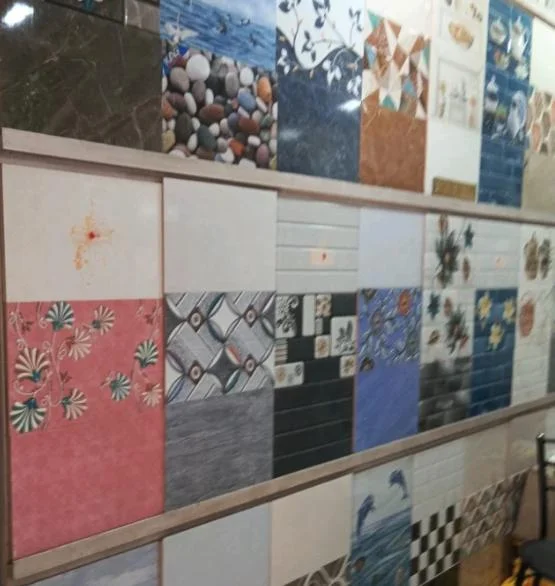
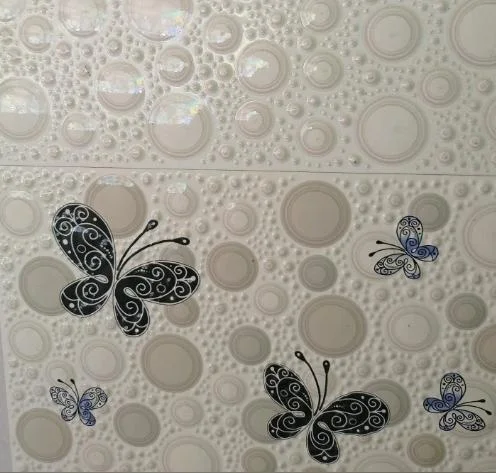
Ceramic tiles are popular for their affordability and wide range of designs. They are suitable for both walls and floors and can be used in residential and commercial applications.
Porcelain Tiles
Porcelain tiles are denser and less porous than ceramic tiles, making them ideal for high-traffic areas. They are available in numerous colors and patterns, providing versatile design options.
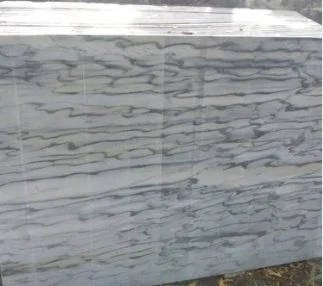
Marble Slabs
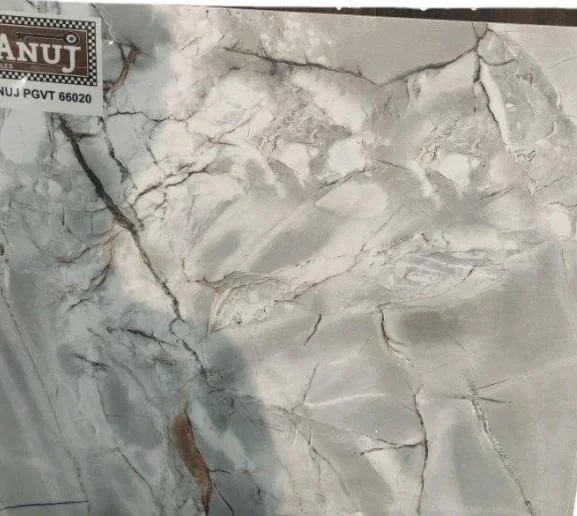
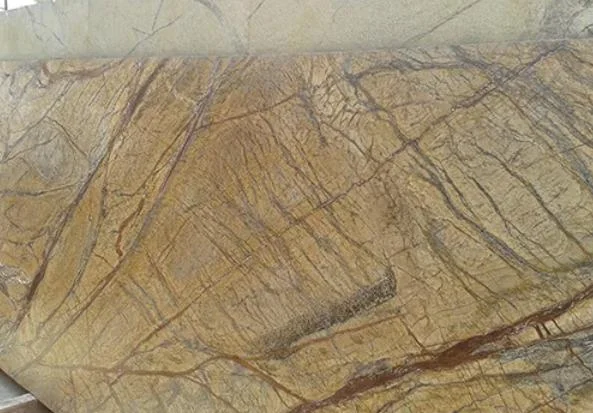
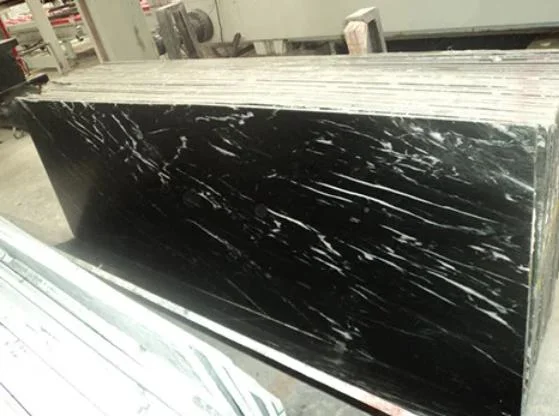
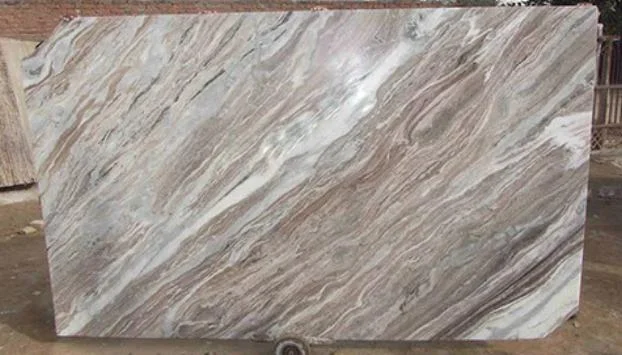
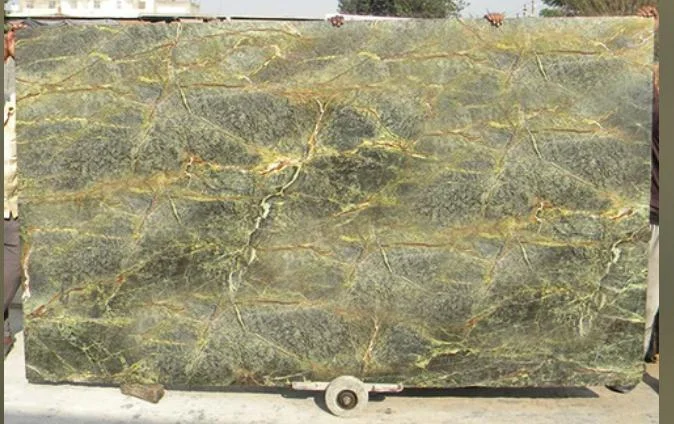
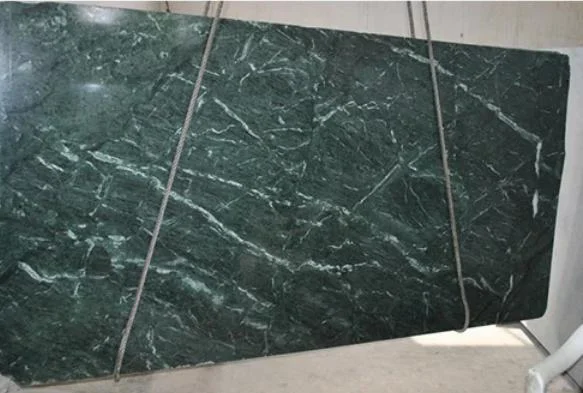
Marble slabs are prized for their luxurious appearance and unique veining. Commonly used in high-end residential and commercial projects, they add elegance to any space.
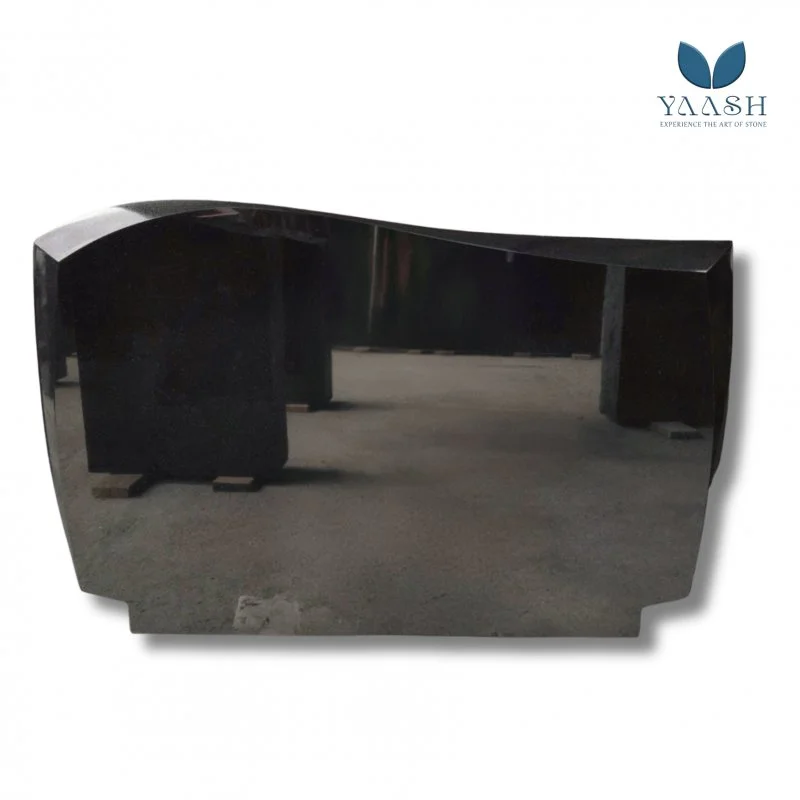
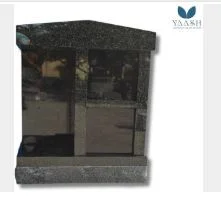
Granite Slabs
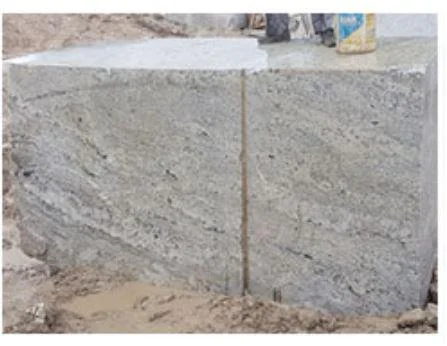
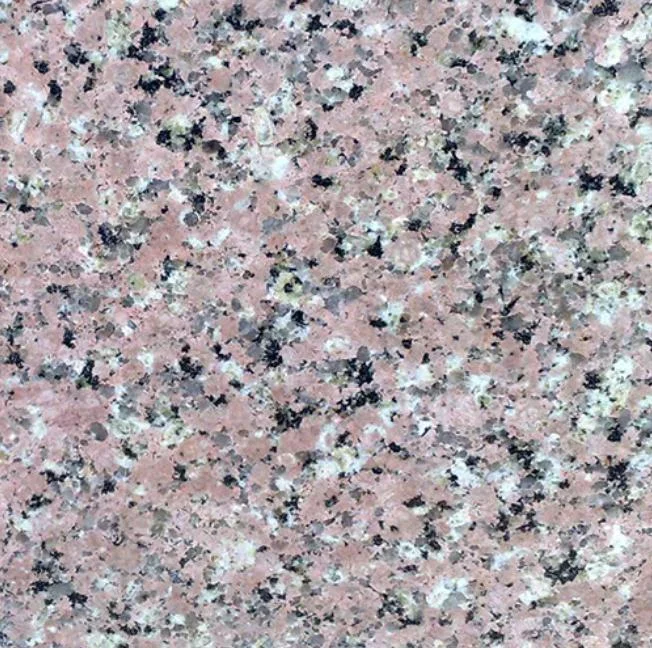
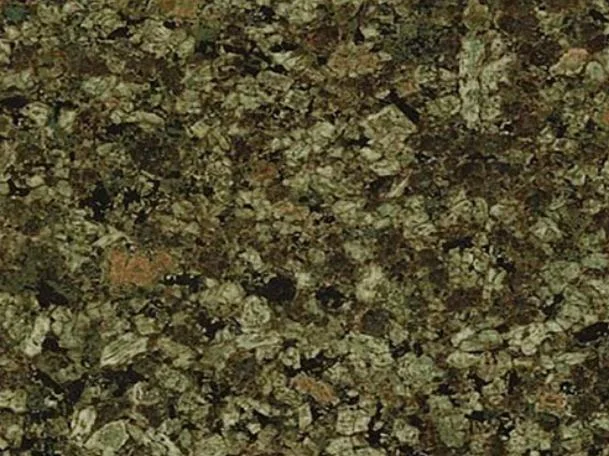
Granite slabs offer exceptional durability and resistance to scratching and heat. They are often used in countertops and flooring in kitchens and bathrooms.
Vinyl Flooring
Vinyl flooring is a versatile and cost-effective option suitable for residential and commercial spaces. It mimics the look of natural materials while providing comfort and ease of maintenance.
𝗕𝗲𝗻𝗲𝗳𝗶𝘁𝘀 𝗮𝗻𝗱 𝗔𝗱𝘃𝗮𝗻𝘁𝗮𝗴𝗲𝘀
Sourcing tiles, marble, granite, and flooring materials offers numerous benefits for businesses and projects.
1. Durability: These materials are known for their long lifespan and resistance to wear, making them suitable for high-traffic areas.
2. Aesthetic Appeal: Available in various colors, patterns, and finishes, they enhance the visual appeal of any space.
3. Low Maintenance: Tiles, marble, and granite require minimal upkeep, making them ideal for busy environments.
4. Versatility: Suitable for a wide range of applications, these materials can be used in various sectors, from residential to industrial.
5. Environmental Options: Many products are available with eco-friendly certifications, appealing to environmentally conscious buyers.
6. Increased Property Value: Quality flooring and surface materials can significantly enhance property value and marketability.
𝗕𝘂𝘆𝗶𝗻𝗴 𝗚𝘂𝗶𝗱𝗲 𝗳𝗼𝗿 𝗕𝟮𝗕 𝗕𝘂𝘆𝗲𝗿𝘀
When sourcing tiles, marble, granite, and flooring, B2B buyers should consider several key factors to ensure successful procurement.
1. Quality Assessment: Evaluate materials based on durability, finish, and technical specifications to ensure they meet project requirements.
2. Supplier Verification: Conduct thorough background checks on suppliers to ensure they have a reputation for quality and reliability.
3. Pricing and MOQ: Understand the pricing structure and minimum order quantities to align with budget constraints and project needs.
4. Delivery and Lead Times: Discuss logistics with suppliers to establish realistic delivery timelines that align with project schedules.
5. Compliance Requirements: Ensure that products adhere to relevant industry standards and regulations to avoid compliance issues.
𝗖𝗼𝗺𝗽𝗹𝗶𝗮𝗻𝗰𝗲 𝗮𝗻𝗱 𝗖𝗲𝗿𝘁𝗶𝗳𝗶𝗰𝗮𝘁𝗶𝗼𝗻𝘀
Compliance and certifications play a vital role in the tiles, marble, granite, and flooring industry. Adhering to relevant quality standards such as ISO 9001 ensures that products meet established quality management criteria. Certifications like CE signify that products comply with European safety and environmental regulations.
Safety and testing requirements are essential, particularly for flooring materials that must meet slip resistance and fire safety standards. Additionally, regional compliance considerations may vary, and buyers should ensure that sourced materials comply with local regulations.
Increasingly, environmental certifications are becoming critical in the decision-making process. Buyers are more inclined to choose products that demonstrate sustainability in sourcing and manufacturing processes.
𝗪𝗵𝘆 𝗦𝗼𝘂𝗿𝗰𝗲 𝗧𝗶𝗹𝗲𝘀, 𝗠𝗮𝗿𝗯𝗹𝗲, 𝗚𝗿𝗮𝗻𝗶𝘁𝗲 & 𝗙𝗹𝗼𝗼𝗿𝗶𝗻𝗴 𝗳𝗿𝗼𝗺 𝗣𝗲𝗽𝗮𝗴𝗼𝗿𝗮?
Pepagora provides a trusted platform for sourcing tiles, marble, granite, and flooring with several key advantages.
Verified Supplier Network: Pepagora maintains a rigorous verification process to ensure that all listed suppliers meet high standards of quality and reliability. This helps buyers find reputable partners for their projects.
Streamlined RFQ Process: The request for quotation (RFQ) system is designed to simplify the procurement process. Buyers can easily submit their requirements and receive competitive quotes from multiple suppliers.
Trade Assurance and Support: Pepagora offers trade assurance to protect buyers against potential risks, ensuring a secure purchasing experience. Dedicated support teams are available to assist throughout the buying journey.
Regional Coverage: With a presence in India, the GCC, and Southeast Asia, Pepagora provides extensive regional coverage, connecting buyers with local suppliers and fostering business relationships across borders.

 IN
IN