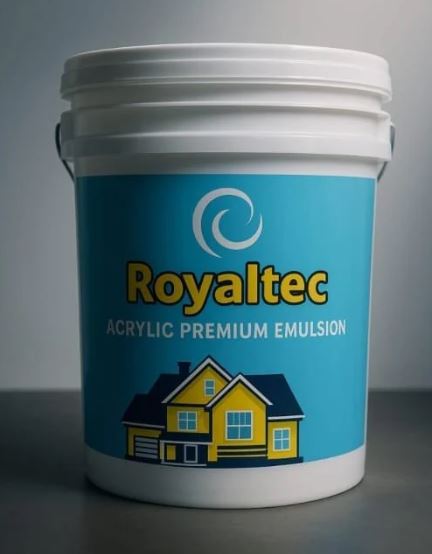
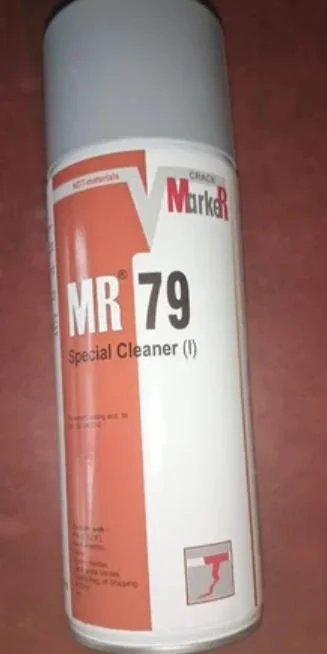
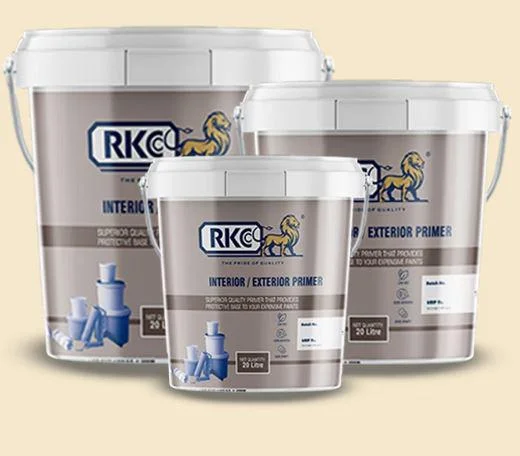
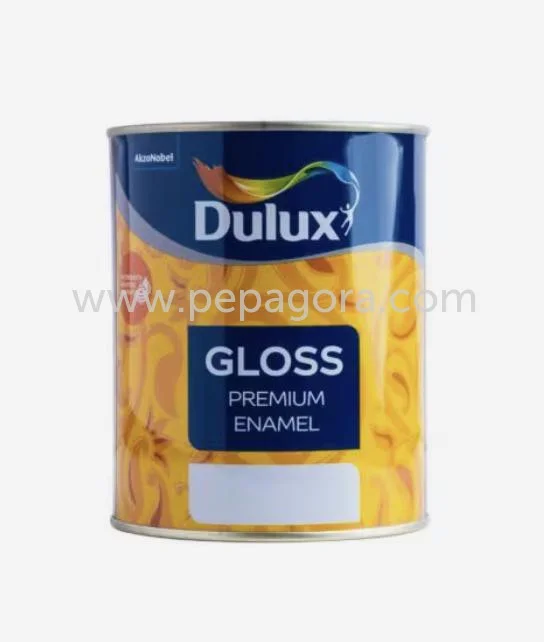
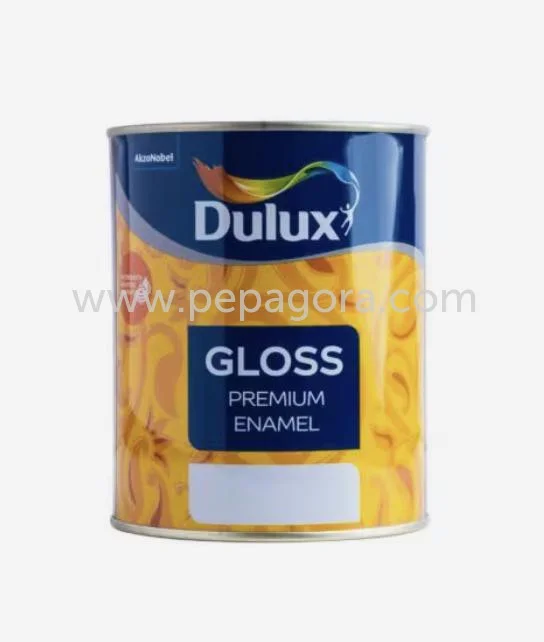
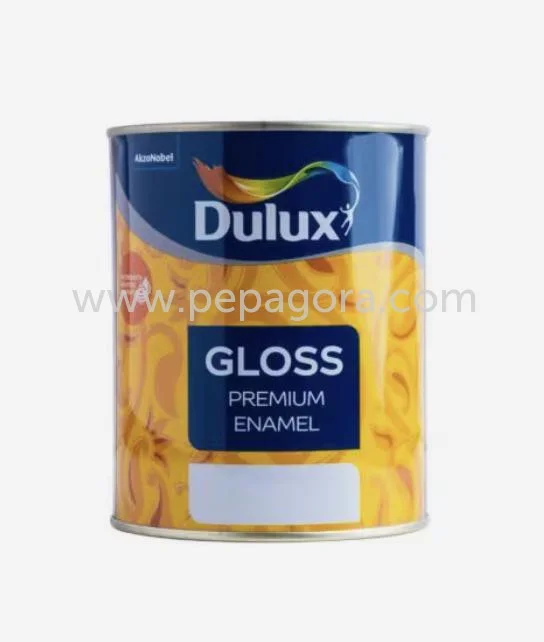
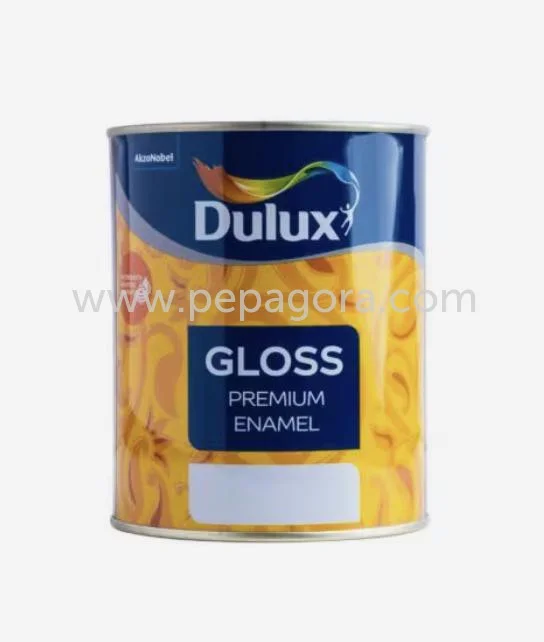
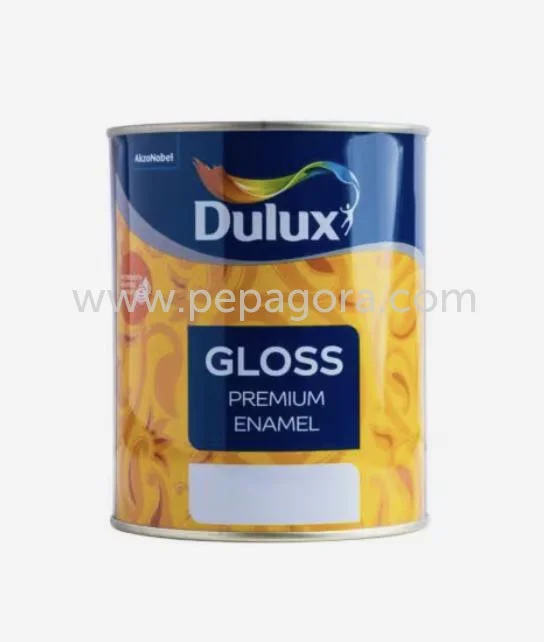
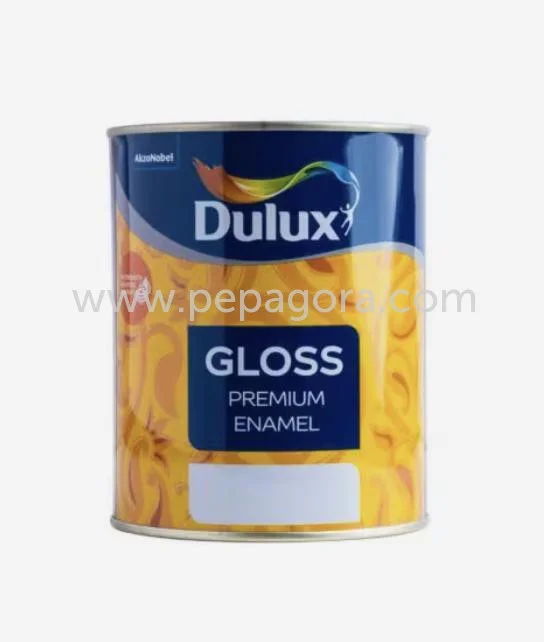
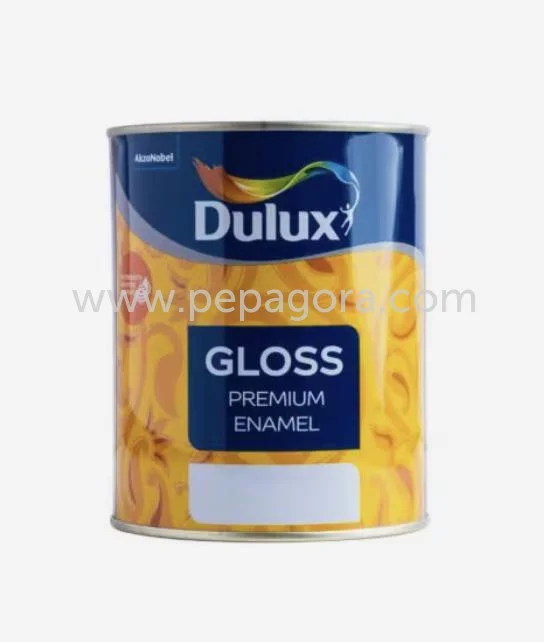
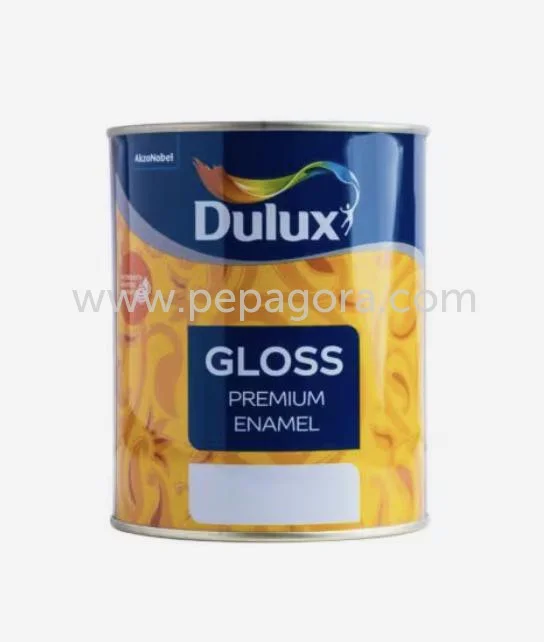
𝗪𝗵𝗮𝘁 𝗮𝗿𝗲 𝗣𝗮𝗶𝗻𝘁𝘀, 𝗖𝗼𝗮𝘁𝗶𝗻𝗴𝘀 & 𝗙𝗶𝗻𝗶𝘀𝗵𝗲𝘀?
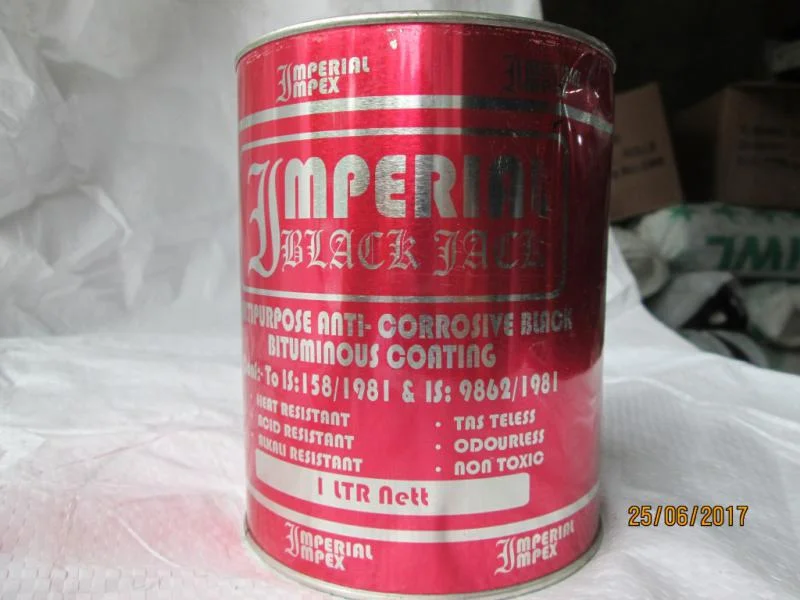
Paints, coatings, and finishes are specialized substances applied to surfaces to provide protection, aesthetic appeal, and durability. Paints are typically used to add color and texture, while coatings and finishes serve more functional roles, including sealing, waterproofing, and enhancing surface properties. These products can be found in various forms, such as liquids, powders, or aerosols, and can be applied using different methods, including brushing, spraying, or dipping.
These products are essential in a wide range of industries, including construction, automotive, aerospace, and manufacturing. They help protect surfaces from environmental damage, corrosion, and wear while also improving the overall appearance of products. Businesses leverage paints and coatings to meet specific performance standards and regulatory requirements, ensuring the longevity and reliability of their applications.
In the current market, the demand for advanced paints and coatings is growing, driven by innovations in formulation and application techniques. Sustainable and eco-friendly options are also gaining traction as industries shift towards more environmentally responsible practices. The market is characterized by a focus on high-performance solutions that not only meet aesthetic needs but also contribute to the safety and efficiency of various applications.
𝗞𝗲𝘆 𝗙𝗲𝗮𝘁𝘂𝗿𝗲𝘀 𝗮𝗻𝗱 𝗦𝗽𝗲𝗰𝗶𝗳𝗶𝗰𝗮𝘁𝗶𝗼𝗻𝘀
Paints, coatings, and finishes are characterized by several key features that define their performance and application suitability. Understanding these specifications is crucial for businesses looking to make informed decisions.
Key specifications include:
1. Drying Time
- The time it takes for the paint or coating to dry completely.
- Typically ranges from minutes to hours, depending on the formulation.
2. VOC Content
- Volatile Organic Compounds (VOCs) are chemicals that can evaporate and affect air quality.
- Regulations often require low VOC formulations to promote safety and health.
3. Adhesion Strength
- The ability of the paint or coating to bond to the substrate.
- Measured in terms of shear strength or peel strength.
4. Weather Resistance
- The product's ability to withstand environmental conditions such as UV exposure, moisture, and temperature fluctuations.
- Ratings often indicate performance against specific weathering tests.
5. Chemical Resistance
- Resistance to various chemicals, oils, and solvents.
- Important for industrial applications where exposure to harsh substances is common.
6. Thickness
- The film thickness once applied, which can affect durability and performance.
- Measured in mils or microns.
7. Application Method
- Various application techniques such as spray, brush, or roller.
- Can influence the finish quality and coverage efficiency.
8. Color Retention
- The ability of the paint or coating to maintain its color over time without fading.
- Critical for aesthetic applications in visible areas.
In summary, understanding these features and specifications helps businesses select the right products for their specific needs, ensuring optimal performance and compliance with industry standards.
𝗖𝗼𝗺𝗺𝗼𝗻 𝗔𝗽𝗽𝗹𝗶𝗰𝗮𝘁𝗶𝗼𝗻𝘀 𝗮𝗻𝗱 𝗨𝘀𝗲 𝗖𝗮𝘀𝗲𝘀
Paints, coatings, and finishes are versatile products used across various industries.
1. Construction: In construction, paints and coatings protect building materials from weathering and enhance aesthetics. They are used on walls, roofs, and exteriors to provide a durable finish.
2. Automotive: The automotive industry utilizes coatings for both protection and aesthetics. They are applied to vehicles to prevent corrosion and enhance visual appeal.
3. Aerospace: In aerospace, specialized coatings are used to reduce weight and improve fuel efficiency while providing protection against extreme environmental conditions.
4. Manufacturing: In manufacturing, coatings are applied to machinery and equipment to extend their lifespan and improve performance, often in environments exposed to chemicals.
5. Marine: Marine applications require coatings that resist saltwater and UV exposure, ensuring the integrity of vessels and structures in marine environments.
6. Furniture: Furniture finishes provide protection against scratches and moisture while enhancing the overall look, making them essential in residential and commercial settings.
7. Electronics: Coatings in electronics protect sensitive components from moisture and dust, ensuring functionality and longevity.
𝗣𝗿𝗼𝗱𝘂𝗰𝘁 𝗩𝗮𝗿𝗶𝗮𝗻𝘁𝘀 𝗮𝗻𝗱 𝗦𝘂𝗯𝗰𝗮𝘁𝗲𝗴𝗼𝗿𝗶𝗲𝘀
The diversity of paints, coatings, and finishes allows for various formulations tailored to specific needs.
Water-Based Paints
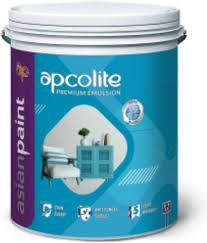
Water-based paints are eco-friendly options that are easy to clean and apply. They are commonly used in residential and commercial applications due to their low VOC content and quick drying times.
Solvent-Based Coatings
Solvent-based coatings offer superior durability and chemical resistance, making them ideal for industrial applications. They provide a tough finish that withstands harsh environments.
Acrylic Coatings
Acrylic coatings provide excellent UV resistance and color retention. They are often used in outdoor applications where long-lasting performance is essential.
Epoxy Coatings
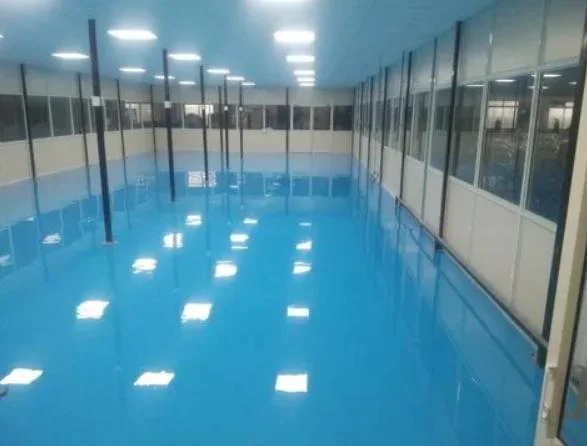
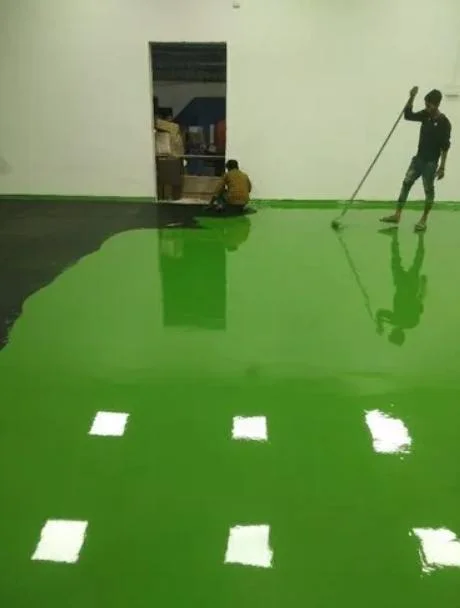
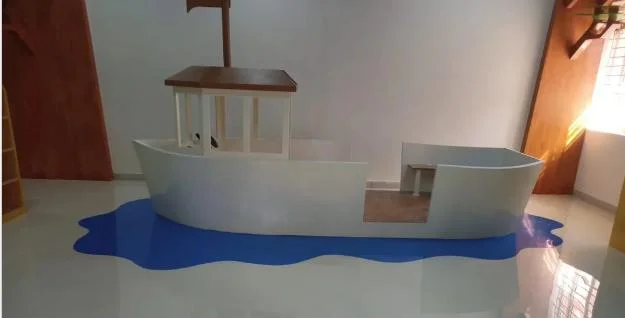
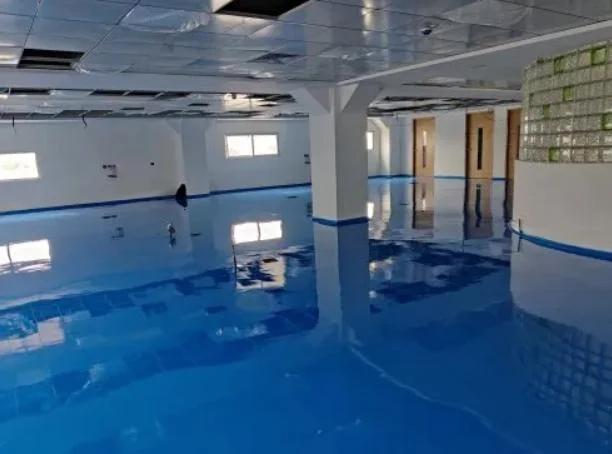
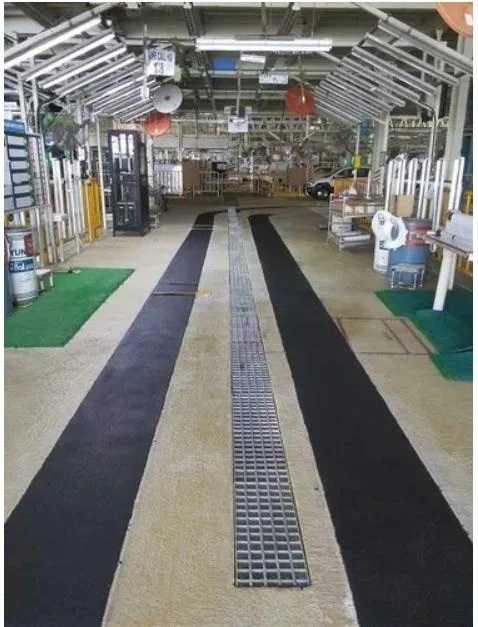
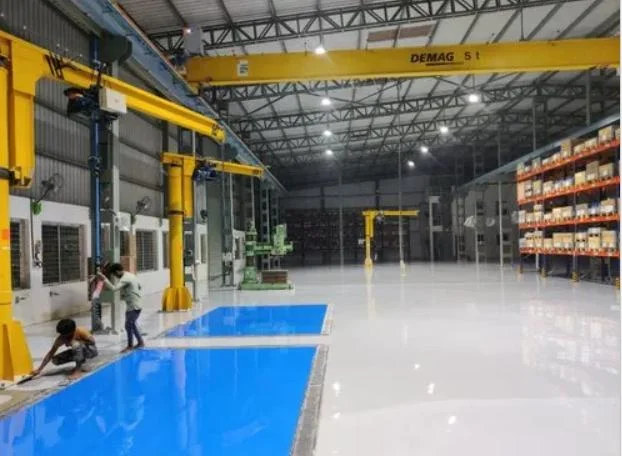
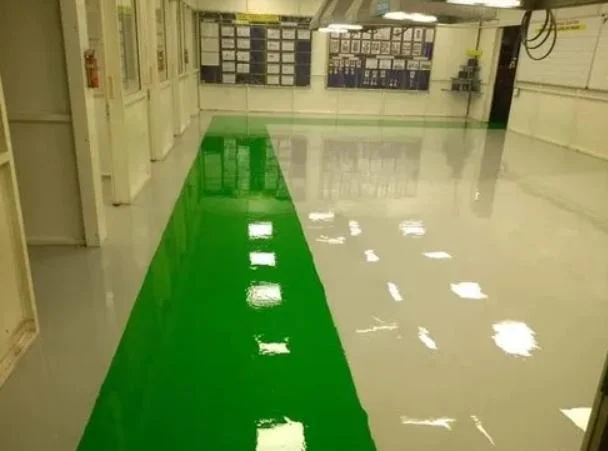
Epoxy coatings are known for their strong adhesion and chemical resistance. They are commonly used in industrial floors, machinery, and protective coatings.
Polyurethane Finishes
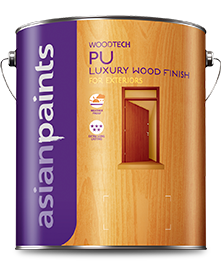
Polyurethane finishes offer a hard, protective layer that is resistant to scratches and stains. They are widely used in furniture and cabinetry for their durability.
𝗕𝗲𝗻𝗲𝗳𝗶𝘁𝘀 𝗮𝗻𝗱 𝗔𝗱𝘃𝗮𝗻𝘁𝗮𝗴𝗲𝘀
Choosing the right paints, coatings, and finishes can yield significant benefits for businesses.
1. Enhanced Protection: These products provide a barrier against environmental factors, prolonging the life of surfaces and reducing maintenance costs.
2. Aesthetic Appeal: They improve the visual aspect of products and structures, helping businesses create a positive impression on customers.
3. Improved Performance: Advanced formulations offer properties like resistance to chemicals, UV light, and moisture, ensuring reliability in demanding environments.
4. Cost-Effectiveness: Investing in high-quality coatings can reduce the frequency of repaints and repairs, leading to lower long-term costs.
5. Compliance with Regulations: Many products are formulated to meet industry standards, helping businesses comply with safety and environmental regulations.
6. Customization Options: Many suppliers offer tailored solutions, allowing businesses to choose colors, finishes, and specific properties that meet their unique needs.
𝗕𝘂𝘆𝗶𝗻𝗴 𝗚𝘂𝗶𝗱𝗲 𝗳𝗼𝗿 𝗕𝟮𝗕 𝗕𝘂𝘆𝗲𝗿𝘀
When sourcing paints, coatings, and finishes, B2B buyers should consider several critical factors to ensure the best choice for their needs.
1. Quality Assessment: Evaluate products based on performance criteria, including adhesion, durability, and resistance to environmental factors.
2. Supplier Verification: It is essential to verify suppliers to ensure they meet necessary quality and safety standards. Look for certifications and customer feedback.
3. Pricing and MOQ: Understand the pricing structure and minimum order quantities to align with budget constraints while meeting project requirements.
4. Delivery and Lead Times: Assess logistics capabilities, including delivery schedules and lead times, to ensure timely procurement and project execution.
5. Compliance Requirements: Familiarize yourself with any regulatory requirements that may apply, including safety and environmental standards relevant to your industry.
𝗖𝗼𝗺𝗽𝗹𝗶𝗮𝗻𝗰𝗲 𝗮𝗻𝗱 𝗖𝗲𝗿𝘁𝗶𝗳𝗶𝗰𝗮𝘁𝗶𝗼𝗻𝘀
Compliance with industry standards and regulations is crucial for paints, coatings, and finishes. Products typically adhere to quality standards such as ISO 9001, which ensures consistent quality management practices. Additionally, certifications like CE indicate compliance with European health, safety, and environmental protection standards.
Safety and testing requirements must also be considered, especially in industries where exposure to hazardous materials may occur. Manufacturers often conduct rigorous testing to ensure their products meet safety standards, protecting both users and the environment.
Regional compliance considerations are important as regulations can vary significantly between regions. Businesses must ensure their products align with local laws, including VOC emissions and chemical safety regulations, to operate legally and responsibly in their respective markets.
𝗪𝗵𝘆 𝗦𝗼𝘂𝗿𝗰𝗲 𝗣𝗮𝗶𝗻𝘁𝘀, 𝗖𝗼𝗮𝘁𝗶𝗻𝗴𝘀 & 𝗙𝗶𝗻𝗶𝘀𝗵𝗲𝘀 𝗳𝗿𝗼𝗺 𝗣𝗲𝗽𝗮𝗴𝗼𝗿𝗮?
Pepagora provides a trusted platform for sourcing paints, coatings, and finishes, offering several key advantages for B2B buyers.
Verified Supplier Network: Pepagora ensures that suppliers are thoroughly vetted, guaranteeing quality and reliability. This network helps buyers connect with reputable manufacturers and distributors.
Streamlined RFQ Process: The quotation system at Pepagora simplifies the sourcing process, allowing buyers to request multiple quotes efficiently. This transparency aids in making informed purchasing decisions.
Trade Assurance and Support: Buyers are protected through trade assurance programs, which provide security in transactions and support throughout the procurement process.
Regional Coverage: With a strong presence in India, the GCC, and Southeast Asia, Pepagora offers extensive regional coverage, facilitating access to a diverse range of products and suppliers. This geographic reach helps businesses find the right solutions tailored to their specific needs.

 IN
IN