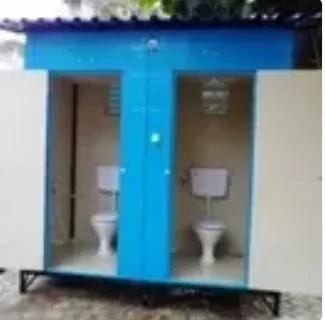
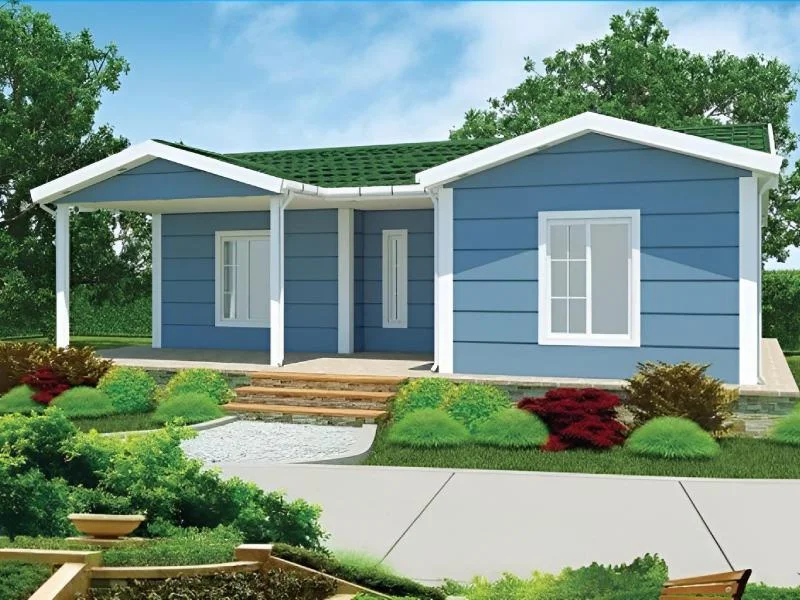
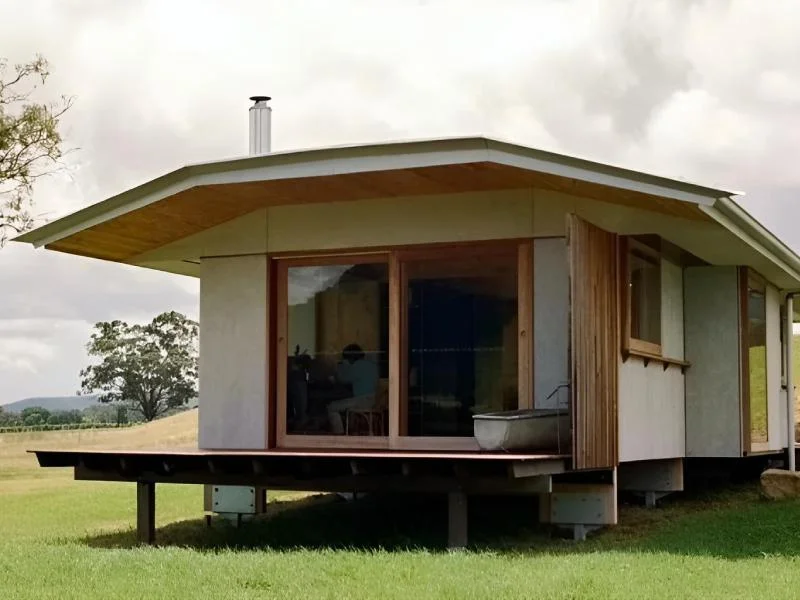
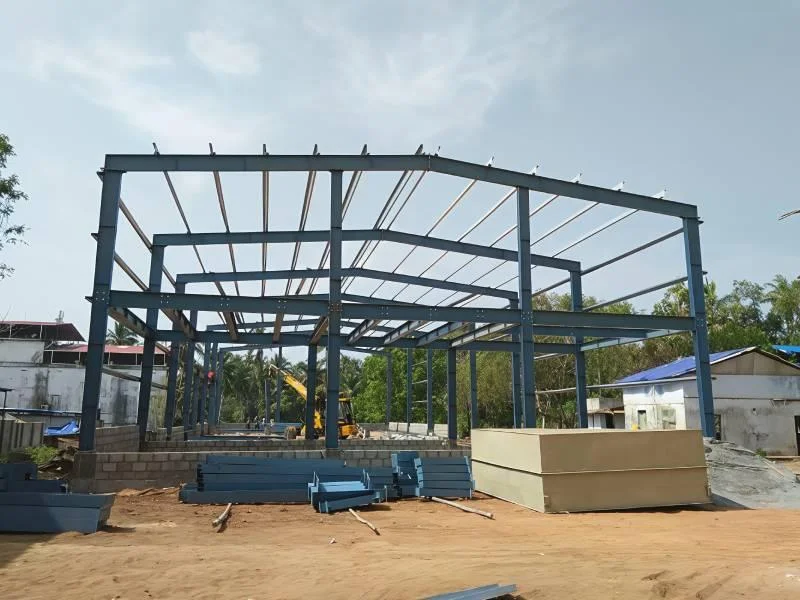
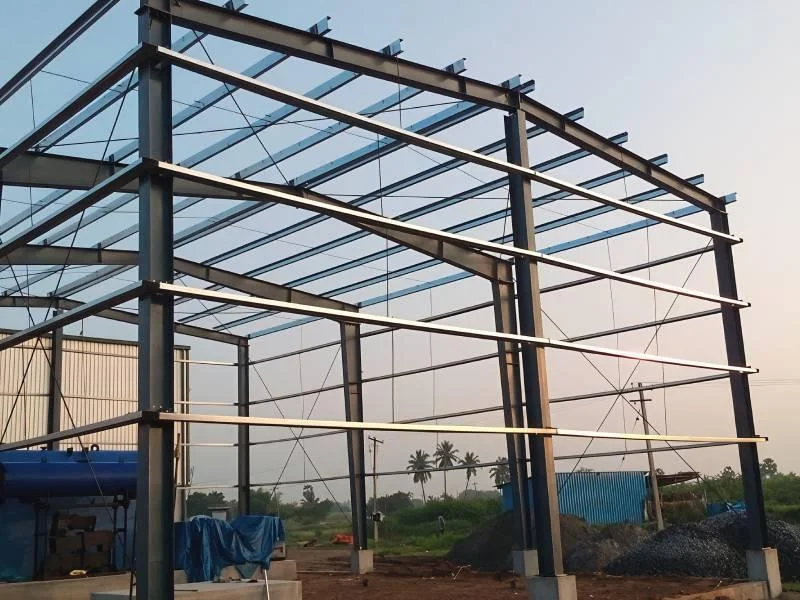
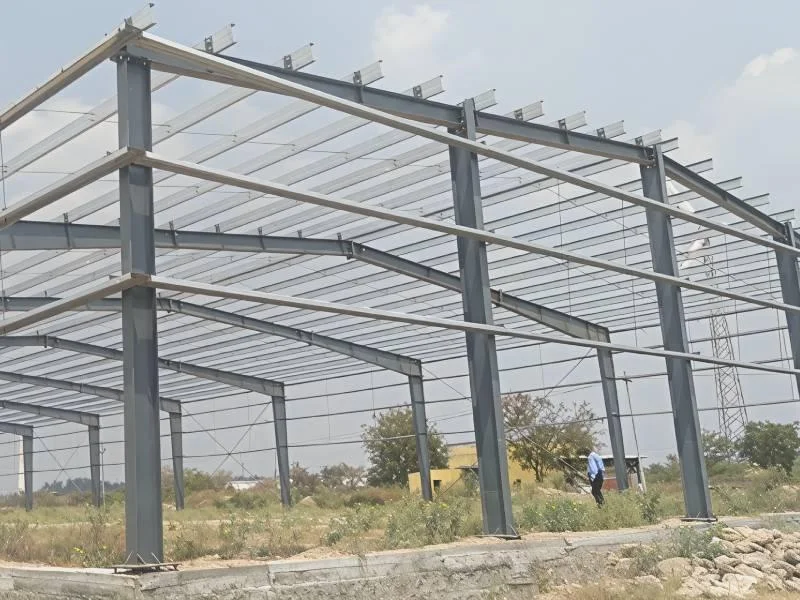
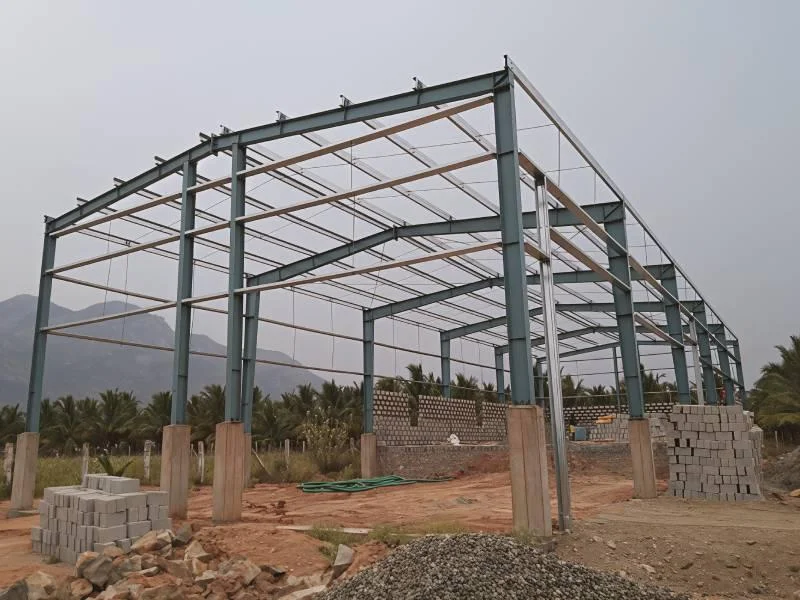
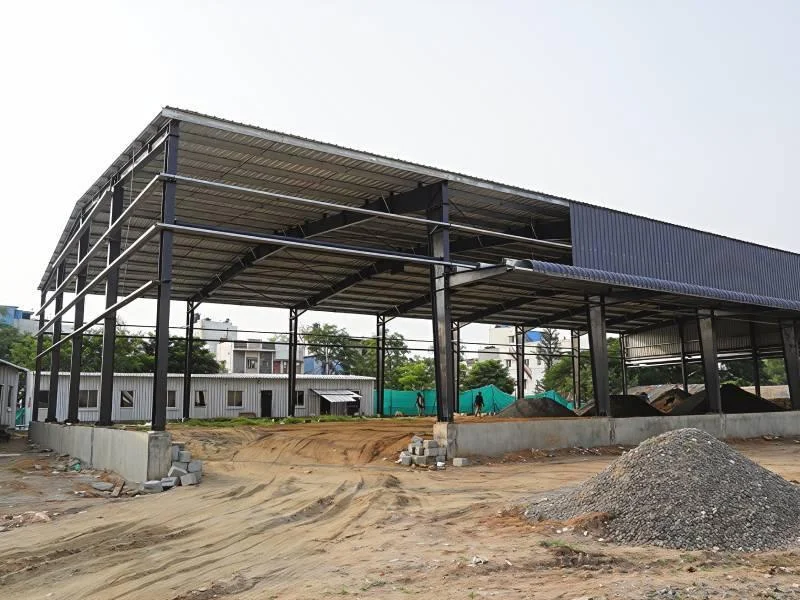
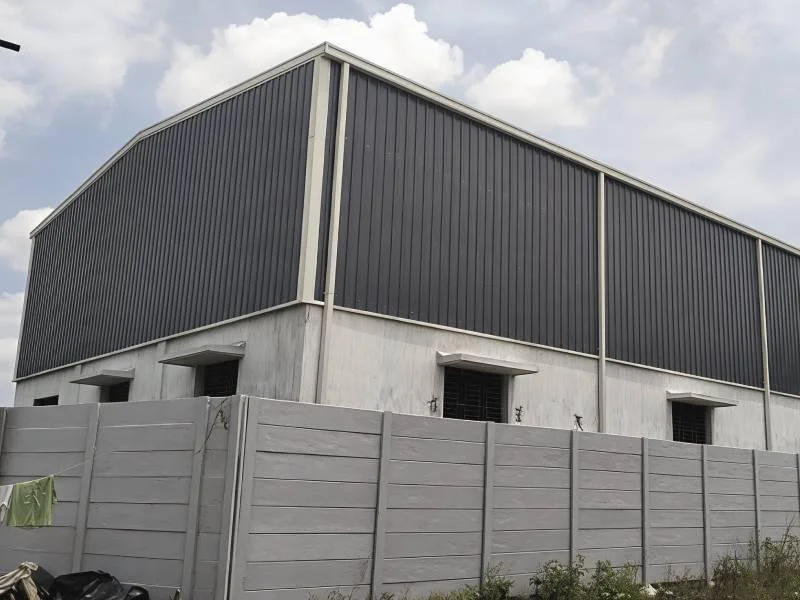
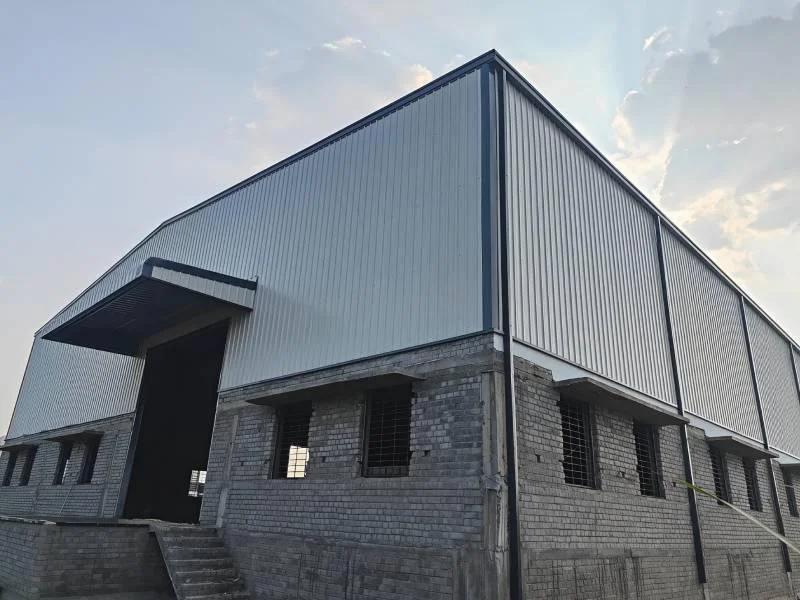
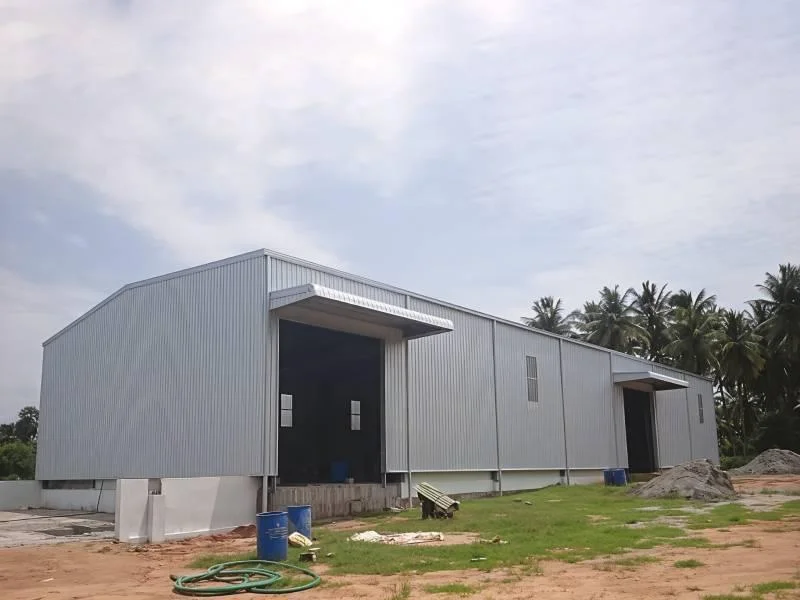
𝗪𝗵𝗮𝘁 𝗮𝗿𝗲 𝗠𝗼𝗱𝘂𝗹𝗮𝗿 & 𝗣𝗿𝗲𝗳𝗮𝗯𝗿𝗶𝗰𝗮𝘁𝗲𝗱 𝗦𝘁𝗿𝘂𝗰𝘁𝘂𝗿𝗲𝘀?
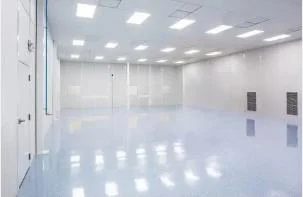
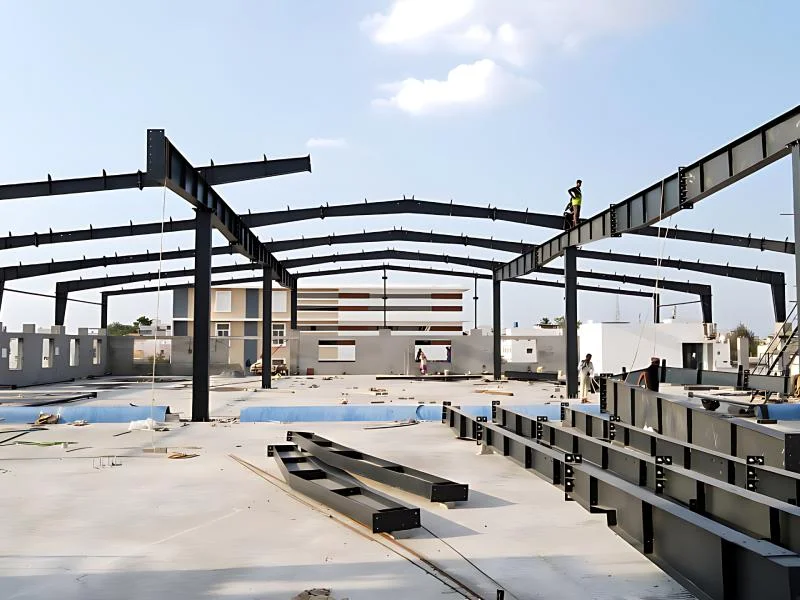
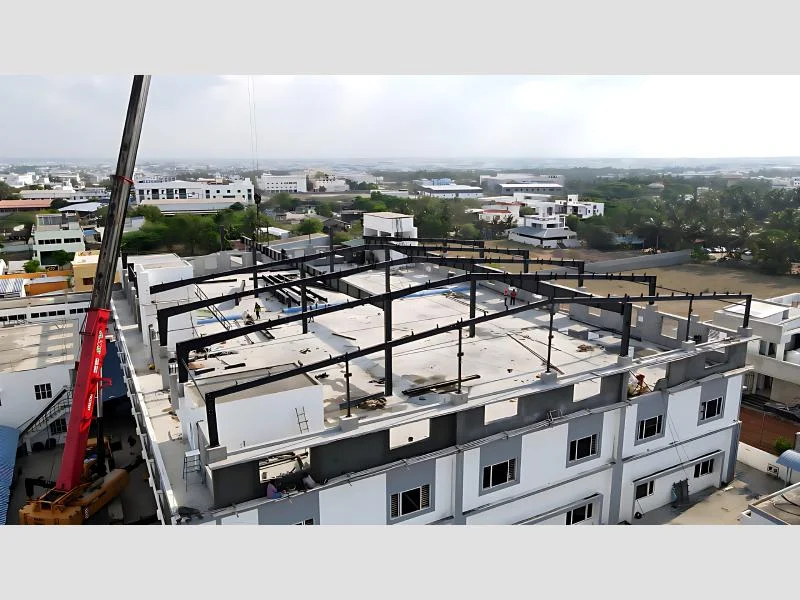
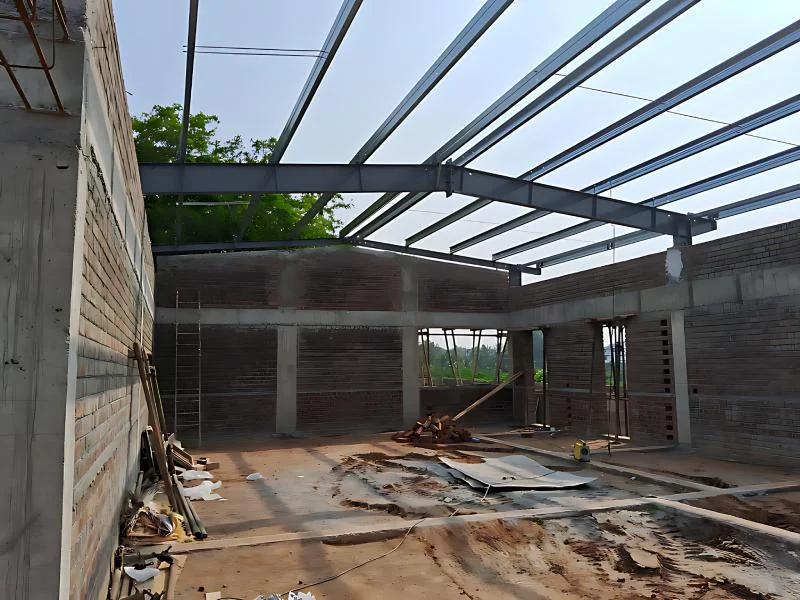
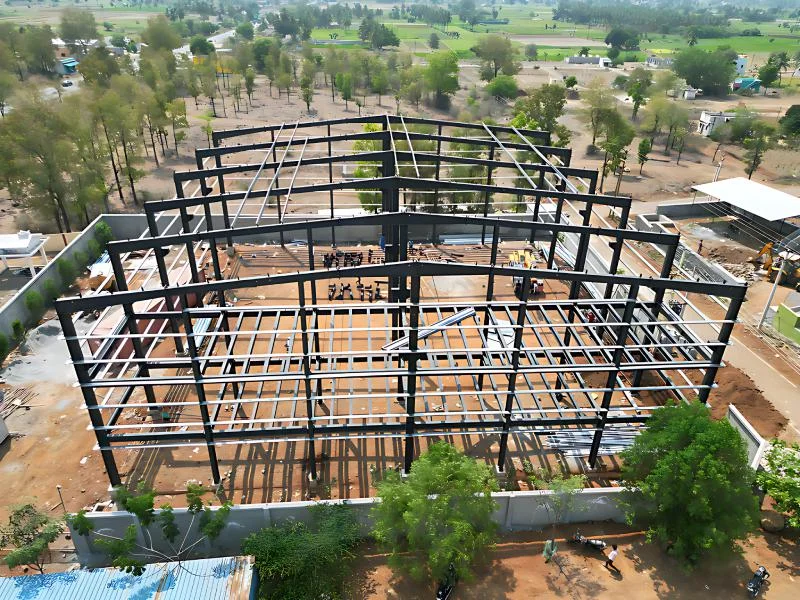
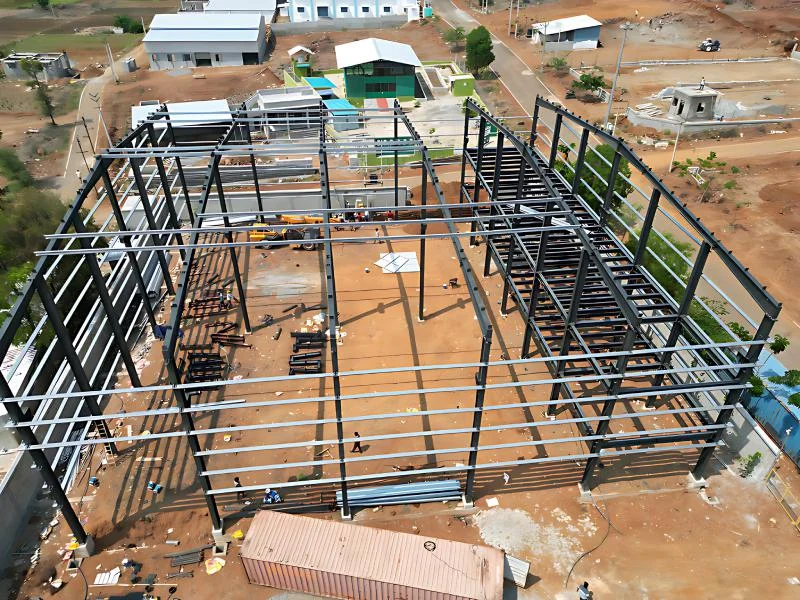
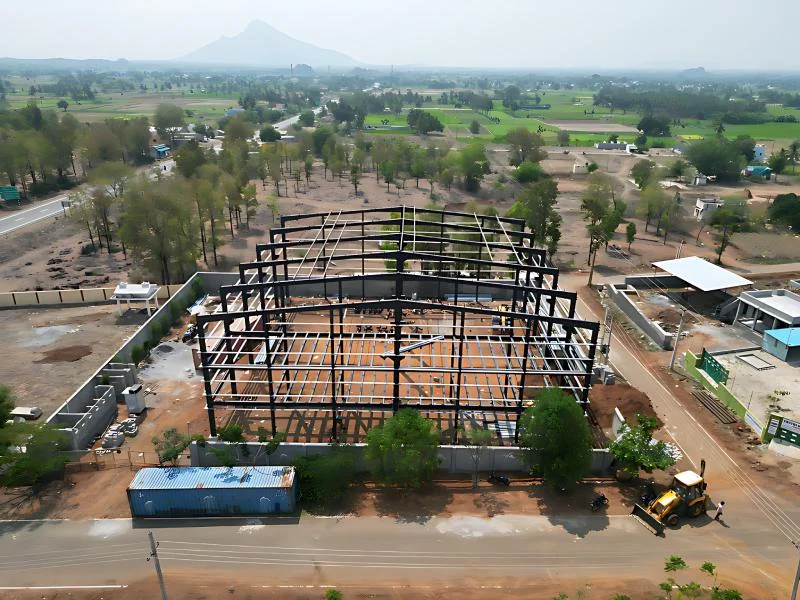
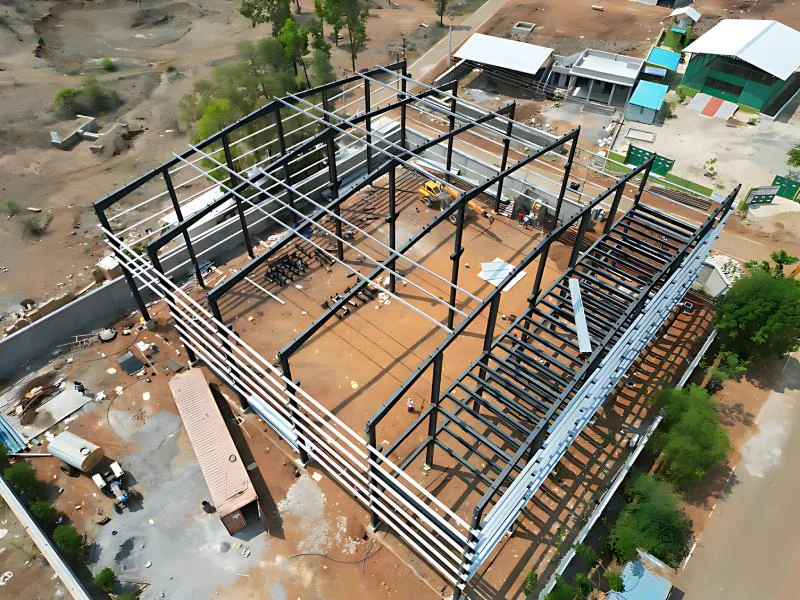
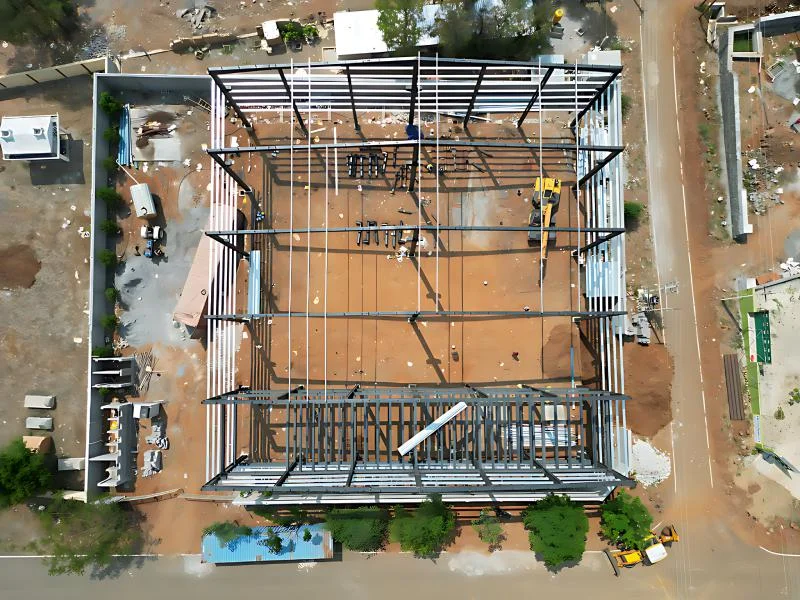
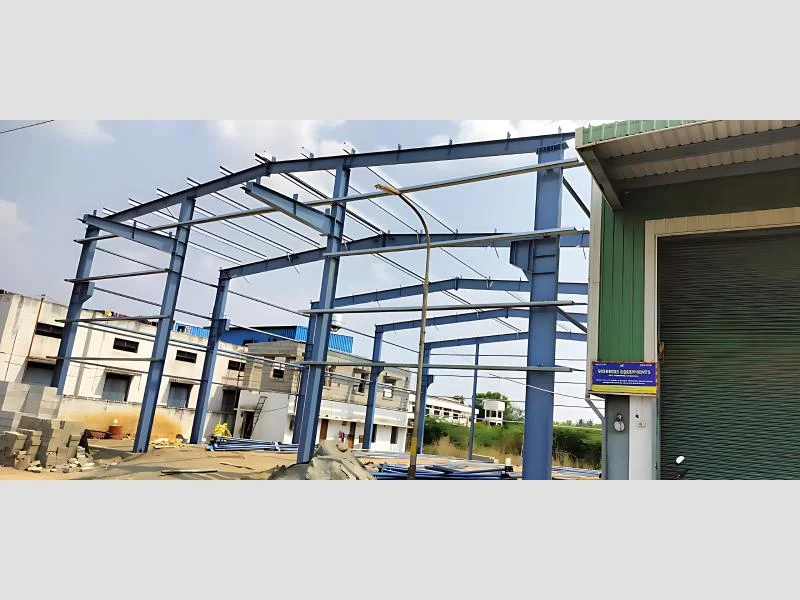
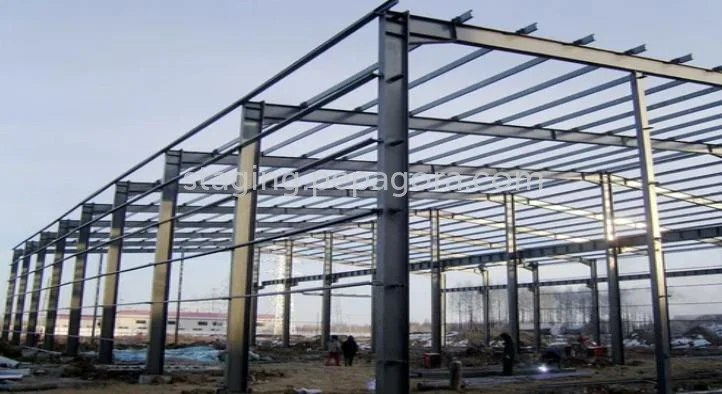
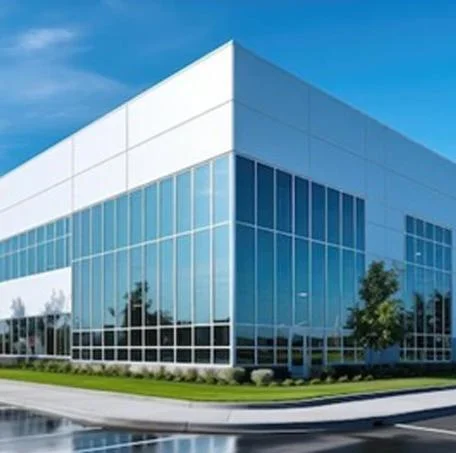
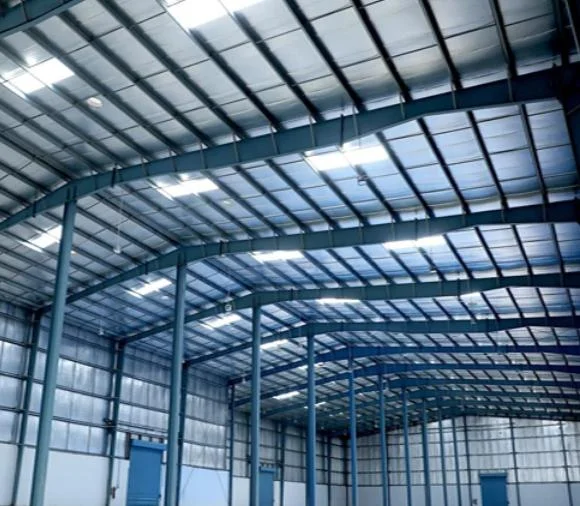
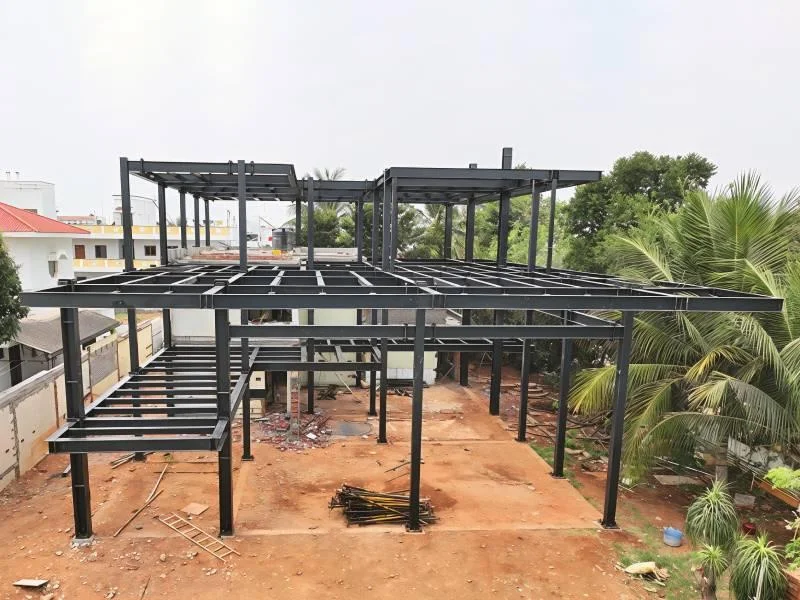
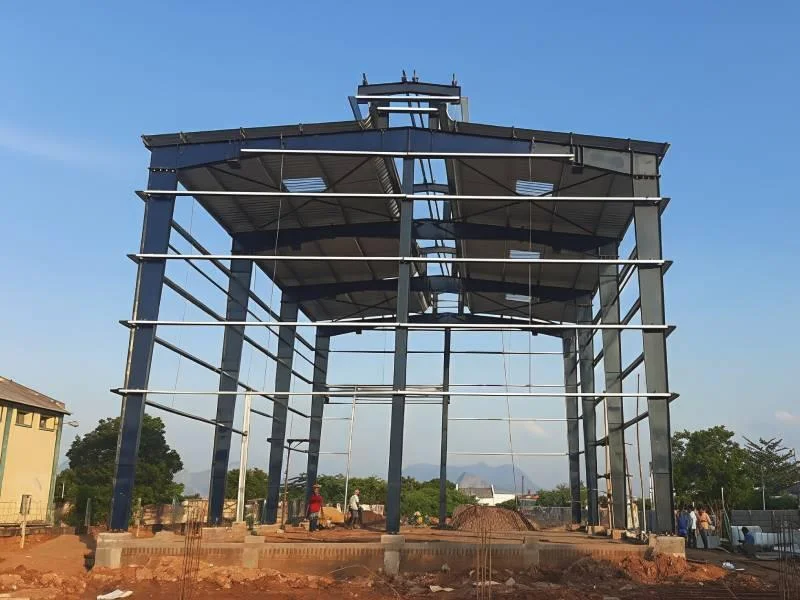
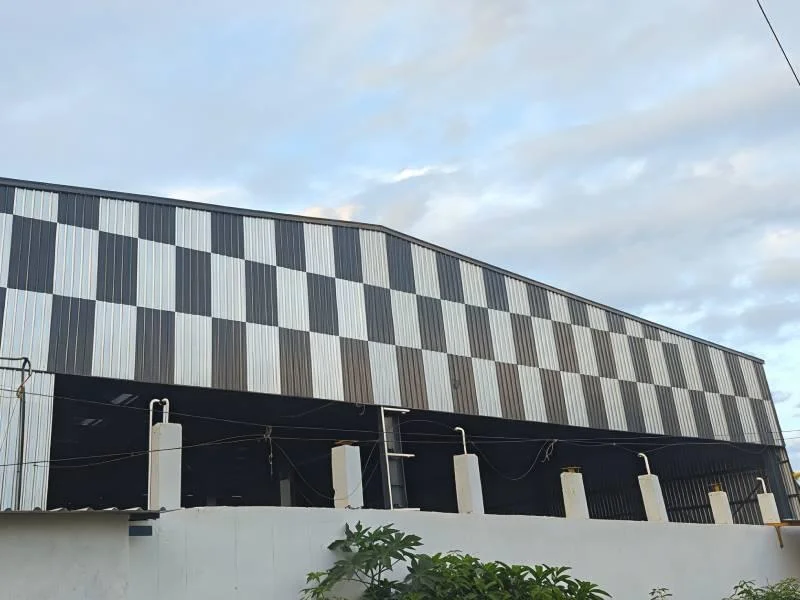
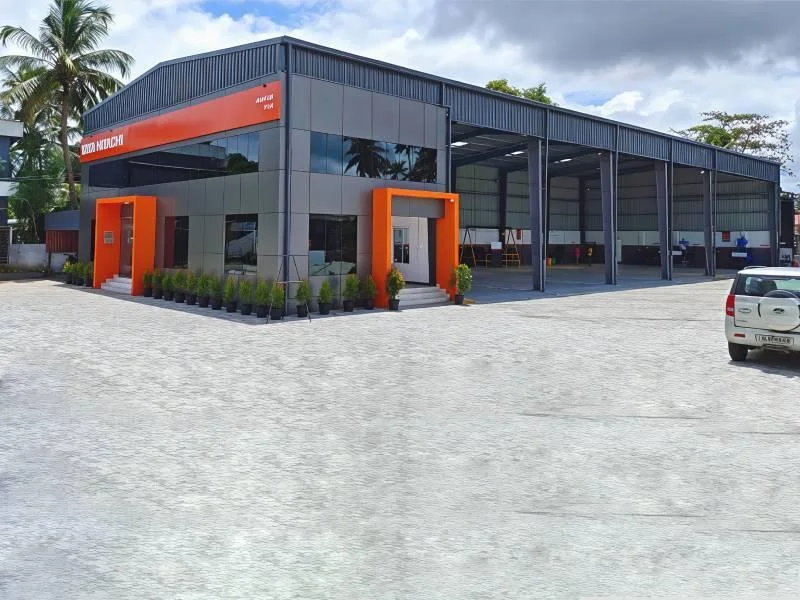
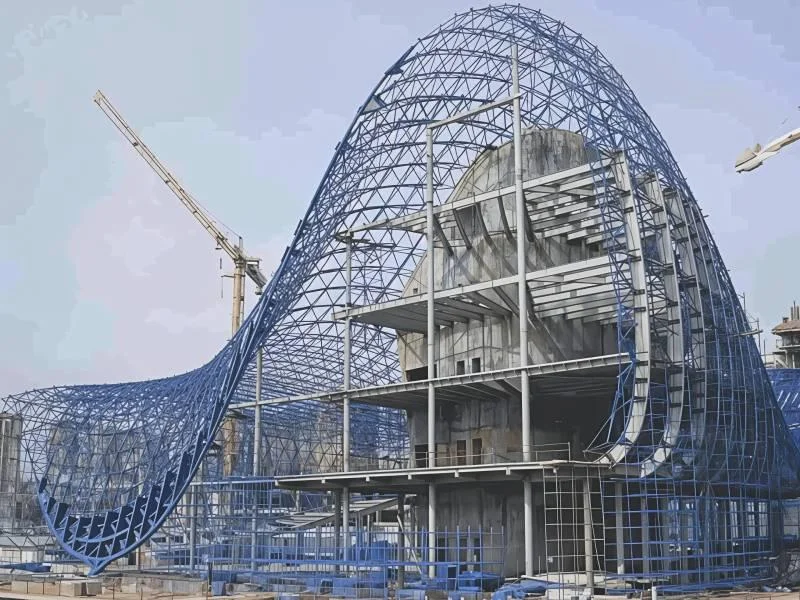
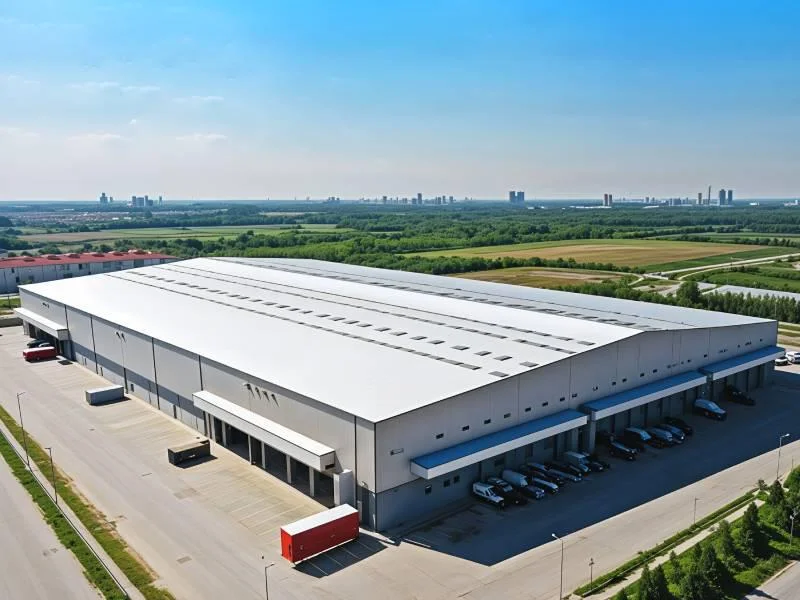
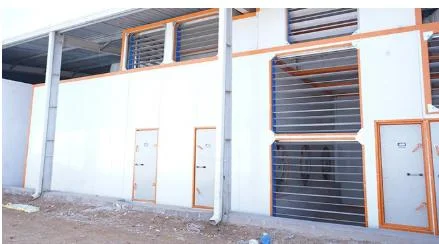
Modular and prefabricated structures are innovative building solutions characterized by the off-site construction of individual sections or modules. These modules are fabricated in controlled environments and then transported to the intended site for assembly. This method significantly reduces construction time and allows for greater flexibility in design and functionality, catering to various business needs.
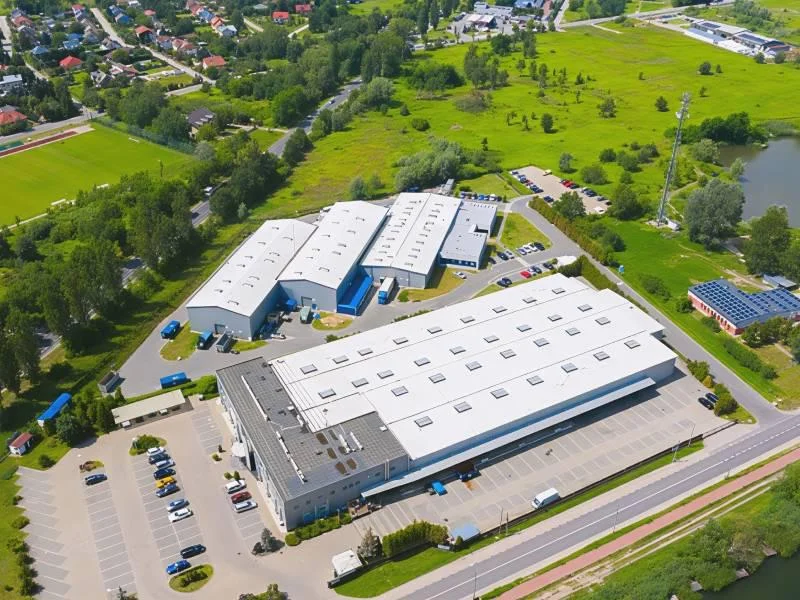
These structures are widely utilized in several sectors, including commercial, industrial, educational, and healthcare applications. For instance, they can serve as temporary offices, classrooms, medical facilities, and even permanent housing solutions. The ability to easily expand or relocate these structures makes them an attractive option for businesses looking to adapt to changing market demands. With the growing trend toward sustainable building practices, modular solutions also align with environmental initiatives, further increasing their relevance in today's market.
𝗞𝗲𝘆 𝗙𝗲𝗮𝘁𝘂𝗿𝗲𝘀 𝗮𝗻𝗱 𝗦𝗽𝗲𝗰𝗶𝗳𝗶𝗰𝗮𝘁𝗶𝗼𝗻𝘀
Modular and prefabricated structures come with a range of features that enhance their usability and efficiency. These structures are designed for quick deployment and can be customized to meet specific requirements. Their modular nature allows for easy modification and expansion based on the evolving needs of businesses.
Key specifications include:
1. Construction Method
- Off-site fabrication for precision
- Reduced construction waste
2. Material Quality
- High-grade materials for durability
- Insulation options for energy efficiency
3. Design Flexibility
- Various layouts and configurations available
- Customizable interior and exterior finishes
4. Compliance Standards
- Adherence to local building codes
- Safety and environmental regulations
5. Delivery Options
- Quick delivery timelines for rapid deployment
- Logistics coordination for site readiness
6. Cost-Effectiveness
- Competitive pricing compared to traditional construction
- Potential for lower operational costs over time
7. Sustainability Features
- Energy-efficient design options
- Use of sustainable materials where possible
In summary, modular and prefabricated structures offer a versatile solution for various building needs, with specifications designed for efficiency and adaptability.
𝗖𝗼𝗺𝗺𝗼𝗻 𝗔𝗽𝗽𝗹𝗶𝗰𝗮𝘁𝗶𝗼𝗻𝘀 𝗮𝗻𝗱 𝗨𝘀𝗲 𝗖𝗮𝘀𝗲𝘀
Modular and prefabricated structures are applicable across numerous industries, providing efficient solutions tailored to specific requirements.
1. Construction: Used as temporary site offices, storage units, or worker accommodations, these structures enhance project efficiency.
2. Education: Modular classrooms can be deployed quickly to accommodate growing student populations, offering a flexible solution for educational institutions.
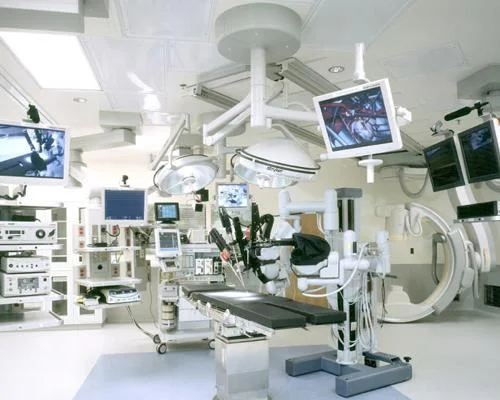
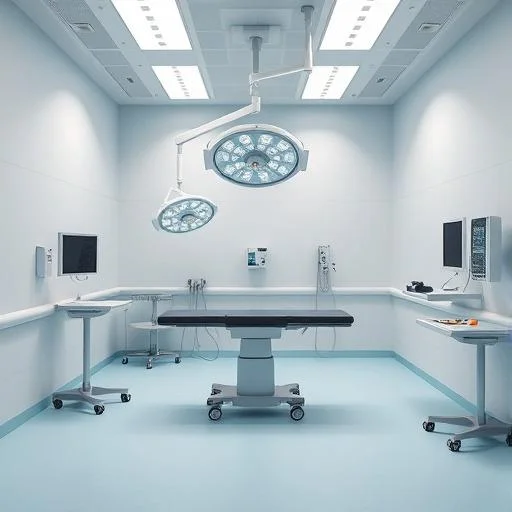
3. Healthcare: Hospitals and clinics utilize modular buildings for urgent care units and temporary facilities, ensuring swift response to healthcare demands.
4. Retail: Retailers use prefabricated structures for pop-up shops or seasonal sales, benefiting from fast setup and dismantling.
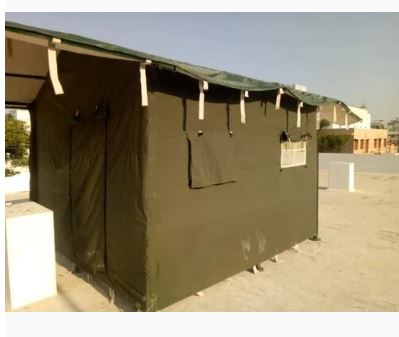
5. Military: Modular buildings provide essential housing and operations facilities for military personnel in various locations.
6. Hospitality: Hotels and resorts can utilize modular units for guest accommodations, allowing for rapid expansion during peak seasons.
7. Disaster Relief: In emergency situations, modular structures can be rapidly deployed for shelters and temporary housing.
𝗣𝗿𝗼𝗱𝘂𝗰𝘁 𝗩𝗮𝗿𝗶𝗮𝗻𝘁𝘀 𝗮𝗻𝗱 𝗦𝘂𝗯𝗰𝗮𝘁𝗲𝗴𝗼𝗿𝗶𝗲𝘀
The diversity of modular and prefabricated structures allows businesses to select options that best meet their specific needs.
Modular Offices
These structures provide fully functional office spaces that can be quickly installed. They are often used in construction sites or as temporary offices during projects.
Portable Classrooms
Designed for educational institutions, portable classrooms are easily transportable and can be set up to accommodate students in various environments.
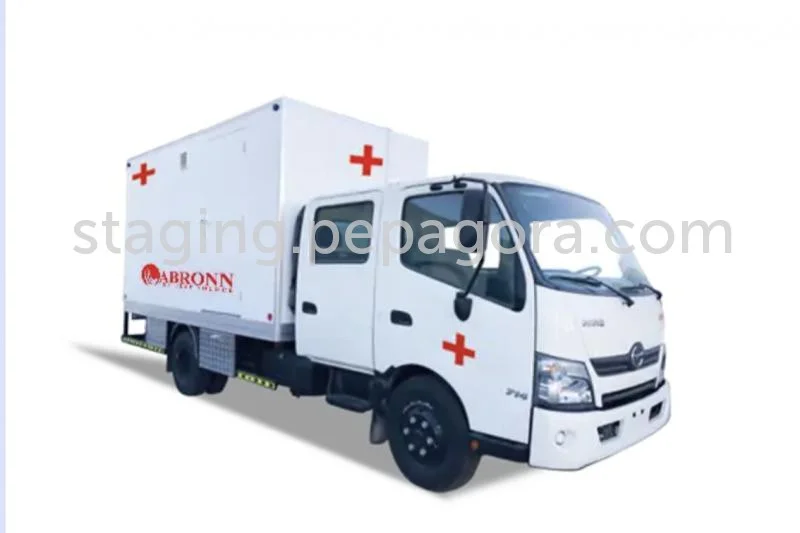
Temporary Healthcare Units
These are specialized modular buildings that can be deployed quickly to serve as urgent care facilities or additional patient care spaces in hospitals.
𝗕𝗲𝗻𝗲𝗳𝗶𝘁𝘀 𝗮𝗻𝗱 𝗔𝗱𝘃𝗮𝗻𝘁𝗮𝗴𝗲𝘀
Modular and prefabricated structures offer several advantages that make them appealing to businesses.
1. Speed of Construction: These structures can be built and assembled faster than traditional buildings, allowing businesses to occupy space sooner.
2. Cost Savings: The streamlined construction process often leads to lower labor and material costs, making it a budget-friendly option.
3. Flexibility: Modular structures can be easily expanded or relocated, providing businesses with the adaptability they require in a dynamic market.
4. Quality Control: Off-site construction allows for better quality assurance, reducing variability and potential errors.
5. Reduced Environmental Impact: The controlled environment minimizes waste and maximizes resource efficiency, aligning with sustainability goals.
6. Customization Potential: Businesses can tailor designs to fit their specific needs, ensuring that the structure meets operational demands.
𝗕𝘂𝘆𝗶𝗻𝗴 𝗚𝘂𝗶𝗱𝗲 𝗳𝗼𝗿 𝗕𝟮𝗕 𝗕𝘂𝘆𝗲𝗿𝘀
When considering the purchase of modular and prefabricated structures, businesses should take several factors into account to ensure a successful acquisition.
1. Quality Assessment: Evaluate the materials and construction techniques used in the structures. Look for compliance with industry standards to ensure durability and safety.
2. Supplier Verification: Research potential suppliers to confirm their credibility and experience in manufacturing modular structures. Check for customer reviews and past project references.
3. Pricing and MOQ: Understand the cost implications, including the minimum order quantity. Compare prices across suppliers to ensure competitive rates.
4. Delivery and Lead Times: Inquire about the expected delivery schedules and lead times. Ensure that suppliers can meet your timeline for deployment.
5. Compliance Requirements: Familiarize yourself with local building codes and regulations that the structures must meet to avoid any legal issues.
𝗖𝗼𝗺𝗽𝗹𝗶𝗮𝗻𝗰𝗲 𝗮𝗻𝗱 𝗖𝗲𝗿𝘁𝗶𝗳𝗶𝗰𝗮𝘁𝗶𝗼𝗻𝘀
Modular and prefabricated structures must adhere to various quality standards and certifications to ensure safety and reliability. Compliance with ISO 9001 guarantees that manufacturers maintain quality management systems. Additionally, certifications such as CE and UL are essential for ensuring that the products meet international safety and performance standards.
Safety and testing requirements are critical in the construction of these structures, as they must withstand environmental factors and meet durability expectations. It is also essential for manufacturers to understand regional compliance considerations, which may vary depending on location, ensuring that the structures are suitable for local conditions.
𝗪𝗵𝘆 𝗦𝗼𝘂𝗿𝗰𝗲 𝗠𝗼𝗱𝘂𝗹𝗮𝗿 & 𝗣𝗿𝗲𝗳𝗮𝗯𝗿𝗶𝗰𝗮𝘁𝗲𝗱 𝗦𝘁𝗿𝘂𝗰𝘁𝘂𝗿𝗲𝘀 𝗳𝗿𝗼𝗺 𝗣𝗲𝗽𝗮𝗴𝗼𝗿𝗮?
Pepagora offers a reliable platform for sourcing modular and prefabricated structures, providing several key advantages for B2B buyers.
Verified Supplier Network: We connect buyers with a network of verified suppliers, ensuring credibility and quality. This verification process helps to establish trust and reliability in the sourcing process.
Streamlined RFQ Process: Our Request for Quotation (RFQ) system simplifies the procurement journey, allowing buyers to receive competitive quotes swiftly and efficiently.
Trade Assurance and Support: Pepagora provides trade assurance to protect buyers during transactions. Our dedicated support team is available to assist with any inquiries or issues that may arise.
Regional Coverage: With a strong presence in India, the Gulf Cooperation Council (GCC), and Southeast Asia, Pepagora ensures that buyers have access to a diverse range of suppliers and products tailored to their specific regional needs.
By choosing Pepagora, businesses can confidently source modular and prefabricated structures that align with their operational goals and market demands.

 IN
IN