𝗪𝗵𝗮𝘁 𝗮𝗿𝗲 𝗘𝗮𝗿𝘁𝗵𝗺𝗼𝘃𝗶𝗻𝗴 𝗠𝗮𝗰𝗵𝗶𝗻𝗲𝗿𝘆 & 𝗖𝗿𝗮𝗻𝗲𝘀?
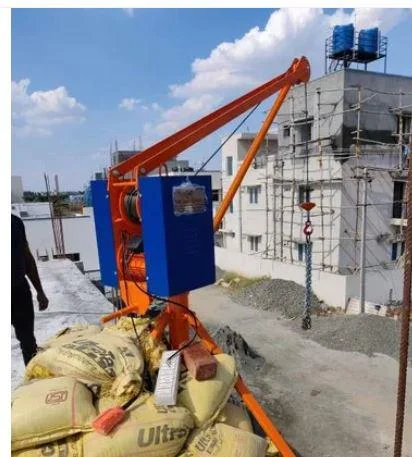
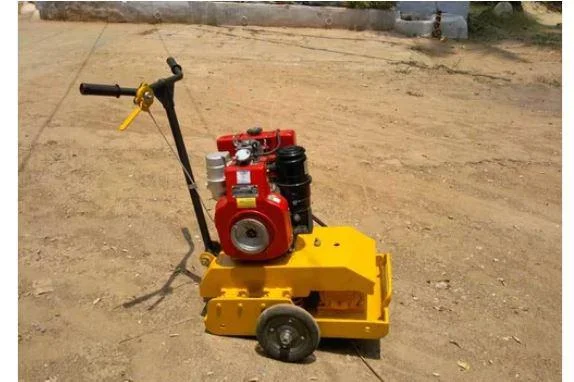
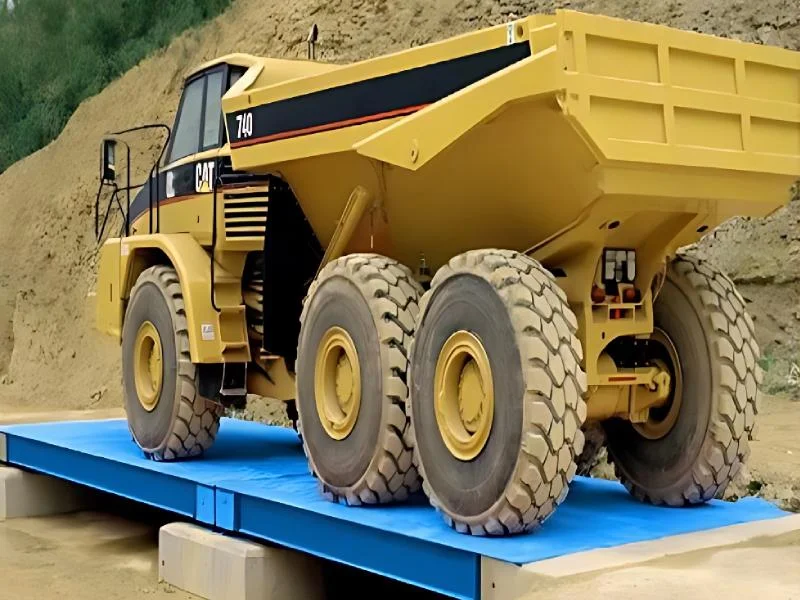
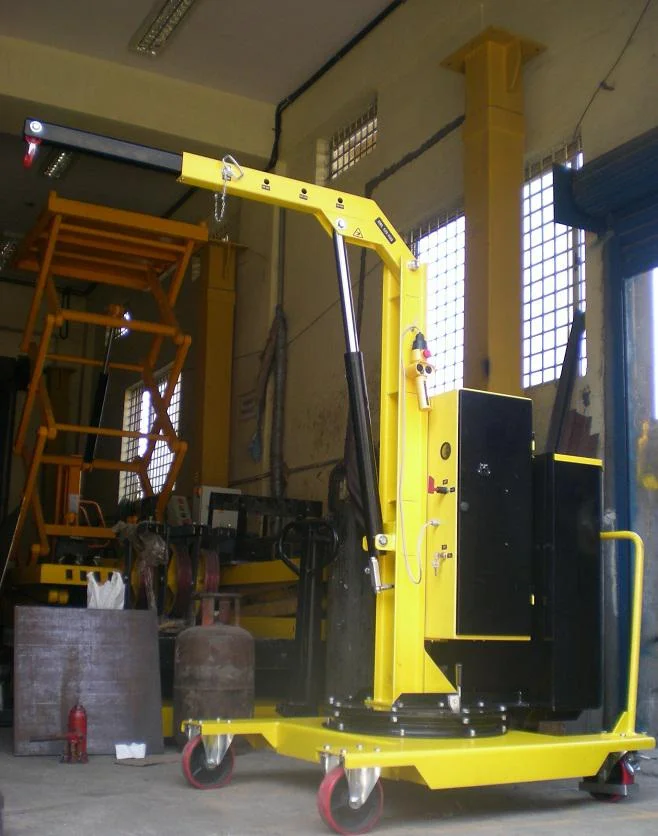
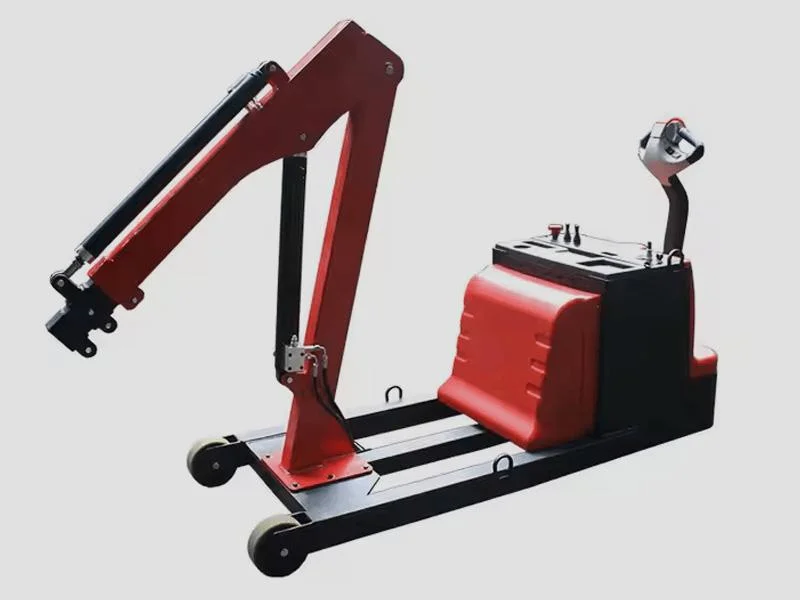
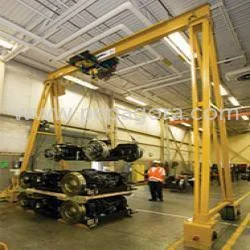
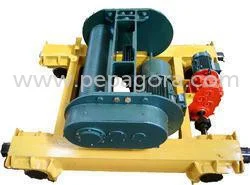
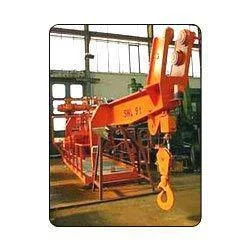
Earthmoving machinery and cranes are vital equipment used in construction, mining, and other heavy industries. Earthmoving machinery comprises a variety of equipment designed to move large amounts of earth or materials from one location to another. This category includes excavators, bulldozers, backhoes, and loaders. Cranes, on the other hand, are used primarily for lifting and moving heavy loads vertically and horizontally. They are essential for tasks such as hoisting materials to high elevations and transporting loads across distances.
The primary uses of earthmoving machinery and cranes span multiple sectors, including construction, infrastructure development, mining, and forestry. In construction, these machines are critical for site preparation, material handling, and transporting heavy materials. In mining, they play a crucial role in extracting and moving earth and minerals. The relevance of these machines in the industry is underscored by their ability to enhance productivity, reduce labor costs, and facilitate complex projects, thereby driving market growth and technological advancements.
𝗞𝗲𝘆 𝗙𝗲𝗮𝘁𝘂𝗿𝗲𝘀 𝗮𝗻𝗱 𝗦𝗽𝗲𝗰𝗶𝗳𝗶𝗰𝗮𝘁𝗶𝗼𝗻𝘀
Earthmoving machinery and cranes come equipped with a range of features and specifications that enhance their performance and efficiency. Understanding these specifications is critical for businesses seeking to invest in the right equipment for their projects.
Key specifications include:
1. Engine Power
- Measured in horsepower, this specification indicates the machine's capability to perform heavy tasks.
- Ranges typically from 50 to 600 horsepower depending on the type of machinery.
2. Lifting Capacity
- Indicates the maximum weight a crane can lift safely.
- Common capacities range from 1 ton to over 1,000 tons.
3. Operating Weight
- The weight of the machine when operational, which affects mobility and stability.
- Varies widely from 3,000 pounds for small excavators to over 200,000 pounds for large cranes.
4. Reach
- Refers to the maximum distance a crane can extend its boom.
- Common ranges from 30 feet to over 300 feet.
5. Dig Depth
- For excavators, this specifies how deep the machine can dig.
- Typically ranges from 6 to 25 feet depending on the model.
6. Fuel Efficiency
- Measures how effectively a machine uses fuel, impacting operational costs.
- Varies based on model and usage but is a key consideration for long-term projects.
7. Control System
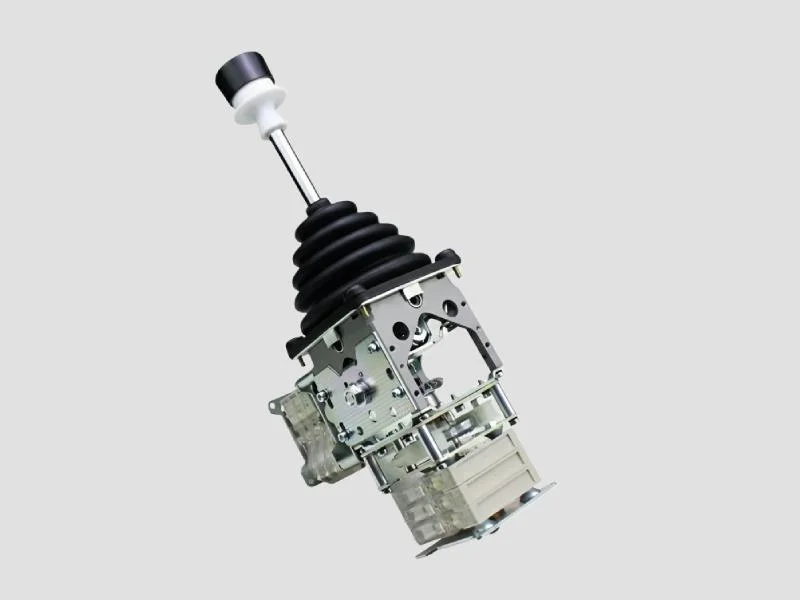
- Includes options for manual or automated control, affecting ease of use.
- Advanced systems may offer features like remote operation.
8. Safety Features
- Includes systems designed to prevent accidents and enhance operator safety.
- Common features may include load limiters, alarms, and emergency stop systems.
In summary, understanding the features and specifications of earthmoving machinery and cranes is essential for selecting the right equipment that meets operational needs and safety standards.
𝗖𝗼𝗺𝗺𝗼𝗻 𝗔𝗽𝗽𝗹𝗶𝗰𝗮𝘁𝗶𝗼𝗻𝘀 𝗮𝗻𝗱 𝗨𝘀𝗲 𝗖𝗮𝘀𝗲𝘀
Earthmoving machinery and cranes serve diverse industries, each with its unique requirements and applications.
1. Construction: In the construction industry, earthmoving equipment is essential for site preparation, grading, and material handling. Cranes are used to lift heavy materials, such as steel beams and pre-cast concrete panels, to high elevations.
2. Mining: In mining operations, earthmoving machinery is crucial for excavation, transporting minerals, and overburden removal. Cranes assist in lifting and moving heavy mining equipment and materials.
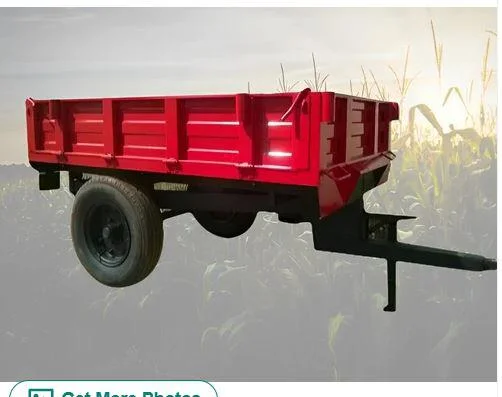
3. Agriculture: Earthmoving machinery, like tractors and loaders, plays a significant role in land development, crop preparation, and material handling in agricultural settings.
4. Infrastructure: For infrastructure projects, cranes are vital for erecting bridges, towers, and other large structures. Earthmoving machinery is used in road construction and maintenance.
5. Landscaping: In landscaping, excavators and skid-steer loaders are utilized for grading land, digging ponds, and moving soil and materials.
6. Oil and Gas: In the oil and gas sector, earthmoving machinery is used for site preparation and pipeline installation. Cranes are essential for lifting and positioning heavy equipment.
7. Demolition: In demolition projects, earthmoving machinery is used to break down structures, while cranes assist in safely removing heavy materials.
𝗣𝗿𝗼𝗱𝘂𝗰𝘁 𝗩𝗮𝗿𝗶𝗮𝗻𝘁𝘀 𝗮𝗻𝗱 𝗦𝘂𝗯𝗰𝗮𝘁𝗲𝗴𝗼𝗿𝗶𝗲𝘀
Earthmoving machinery and cranes encompass a wide range of product variants, each designed for specific tasks and applications.
Excavators: These machines are designed for digging and earthmoving. They come with various attachments, allowing versatility for tasks such as trenching, demolition, and material handling.
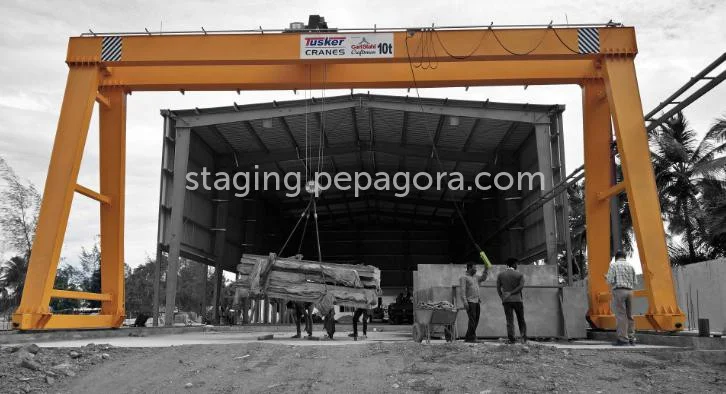
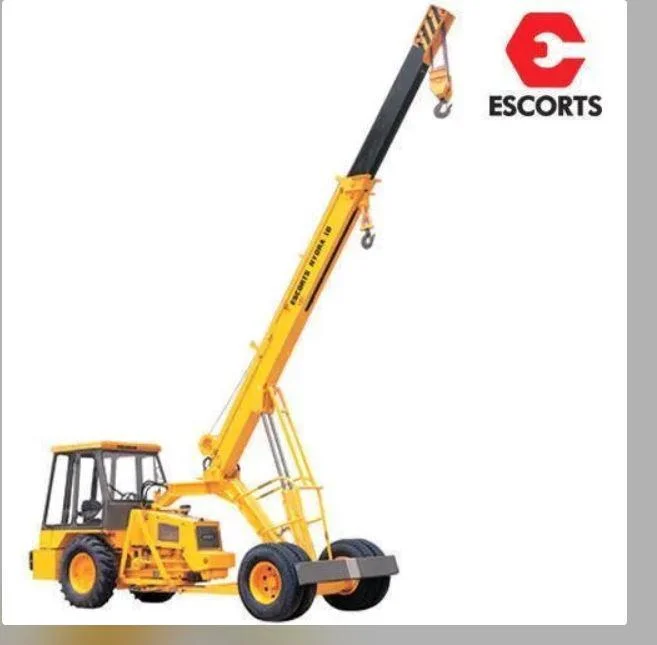
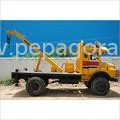
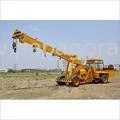
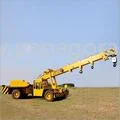
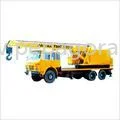
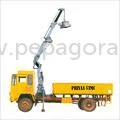
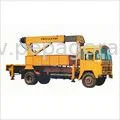
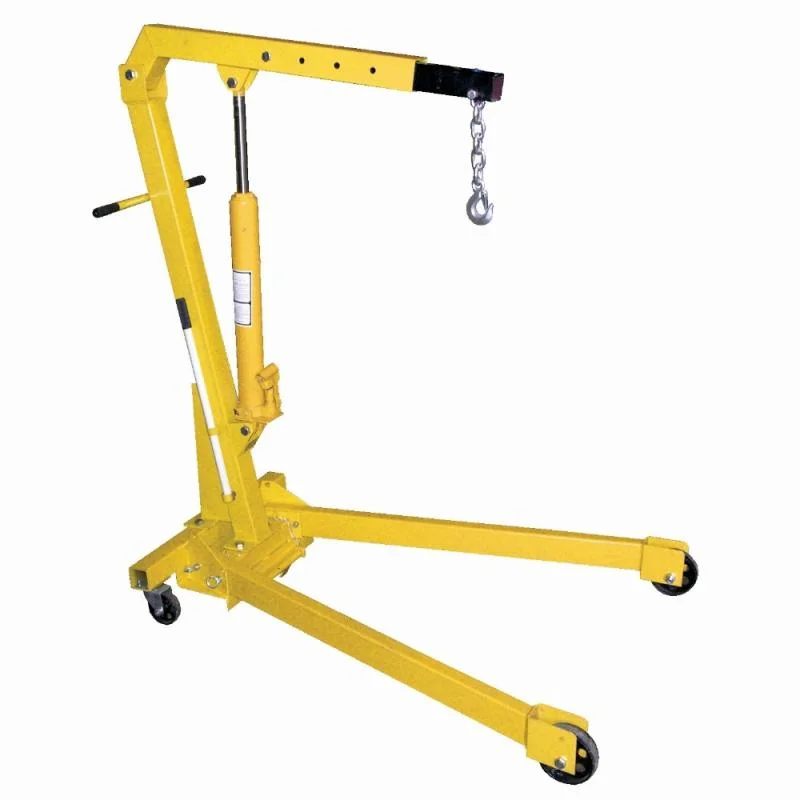
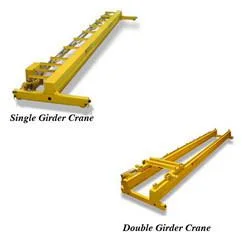
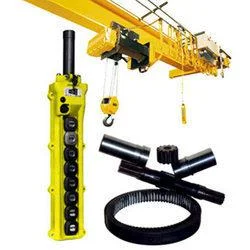
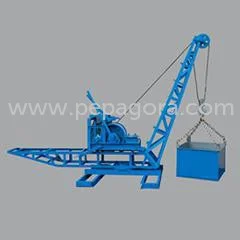
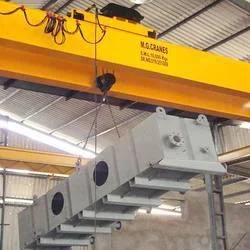
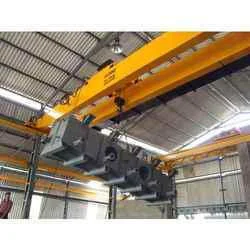
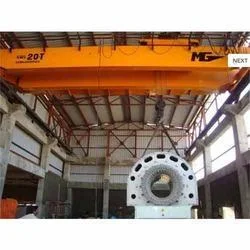
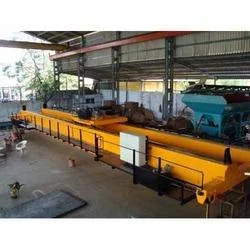
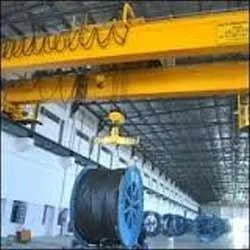
Cranes: Available in several types, cranes can be tower cranes for construction, mobile cranes for flexibility, or crawler cranes for stability on soft ground. Each type has unique features suited for specific lifting tasks.
Bulldozers: Used primarily for pushing large quantities of soil or rubble, bulldozers are equipped with a wide blade and are often used in site preparation and grading.
Backhoes: A combination of a loader and an excavator, backhoes are versatile machines used for digging, lifting, and moving materials on construction sites.
Loaders: These machines are designed to load materials into trucks or other vehicles. They are essential for moving large quantities of aggregate, soil, or debris.
𝗕𝗲𝗻𝗲𝗳𝗶𝘁𝘀 𝗮𝗻𝗱 𝗔𝗱𝘃𝗮𝗻𝘁𝗮𝗴𝗲𝘀
Investing in earthmoving machinery and cranes brings numerous advantages for businesses.
1. Increased Efficiency: These machines enable faster completion of tasks, significantly reducing project timelines.
2. Labor Cost Reduction: Automation and heavy lifting capabilities reduce the need for manual labor, lowering overall labor costs.
3. Versatility: With various attachments and configurations, earthmoving machinery and cranes can perform multiple tasks across different industries.
4. Enhanced Safety: Modern machinery is equipped with advanced safety features to protect operators and workers on site.
5. Improved Precision: Advanced control systems allow for precise movements, enhancing the quality of work and minimizing errors.
6. Long-Term Durability: High-quality construction ensures that these machines can withstand heavy use over long periods, providing a good return on investment.
𝗕𝘂𝘆𝗶𝗻𝗴 𝗚𝘂𝗶𝗱𝗲 𝗳𝗼𝗿 𝗕𝟮𝗕 𝗕𝘂𝘆𝗲𝗿𝘀
When sourcing earthmoving machinery and cranes, several factors should be considered to ensure the right purchase.
1. Quality Assessment: Look for machines that meet industry standards for durability and performance. Check for warranties and service agreements that reflect quality.
2. Supplier Verification: Vet potential suppliers by reviewing their reputation, customer feedback, and certifications. A reliable supplier should have a strong track record in the industry.
3. Pricing and MOQ: Understand the pricing structure and minimum order quantities. Compare costs to ensure a competitive price while considering total cost of ownership.
4. Delivery and Lead Times: Assess the supplier’s ability to meet delivery deadlines. Timely delivery is crucial for project scheduling and avoiding delays.
5. Compliance Requirements: Ensure that the machinery meets local and industry-specific regulations. Compliance with safety and environmental standards is essential for operational legality.
𝗖𝗼𝗺𝗽𝗹𝗶𝗮𝗻𝗰𝗲 𝗮𝗻𝗱 𝗖𝗲𝗿𝘁𝗶𝗳𝗶𝗰𝗮𝘁𝗶𝗼𝗻𝘀
Compliance with industry standards and certifications is vital for earthmoving machinery and cranes. Key quality standards include ISO 9001, which ensures consistent quality management systems. Additionally, certification such as CE indicates that the equipment meets European safety, health, and environmental protection standards.
Safety and testing requirements are crucial in the manufacturing process and must be adhered to for operational integrity. Regular maintenance and inspections are necessary to ensure compliance with safety regulations and to mitigate risks.
Regional compliance considerations may vary based on local laws and regulations. It is important to stay informed about regional requirements to ensure that all machinery operated is legally compliant.
𝗪𝗵𝘆 𝗦𝗼𝘂𝗿𝗰𝗲 𝗘𝗮𝗿𝘁𝗵𝗺𝗼𝘃𝗶𝗻𝗴 𝗠𝗮𝗰𝗵𝗶𝗻𝗲𝗿𝘆 & 𝗖𝗿𝗮𝗻𝗲𝘀 𝗳𝗿𝗼𝗺 𝗣𝗲𝗽𝗮𝗴𝗼𝗿𝗮?
Pepagora provides a trusted platform for sourcing earthmoving machinery and cranes, offering several key advantages for B2B buyers.
Verified Supplier Network: Pepagora connects buyers with a network of verified suppliers. Each supplier undergoes a thorough vetting process to ensure reliability and quality.
Streamlined RFQ Process: The platform simplifies the request for quotation process, enabling buyers to receive multiple quotes and compare offers easily. This helps in making informed purchasing decisions.
Trade Assurance and Support: Pepagora offers trade assurance to protect buyers against potential issues, ensuring that transactions are secure and supported with customer service.
Regional Coverage: With a strong presence in markets such as India, the GCC, and Southeast Asia, Pepagora facilitates access to a wide range of suppliers and products, catering to diverse business needs across regions.

 IN
IN