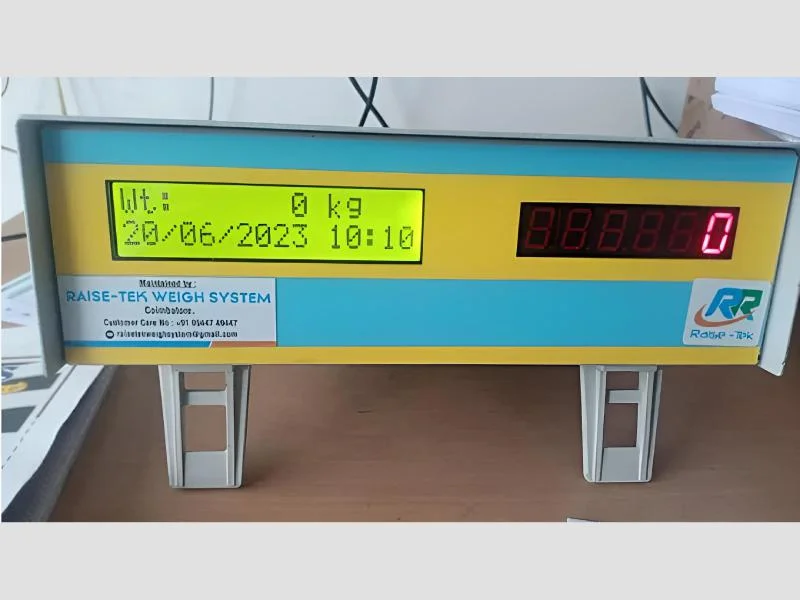
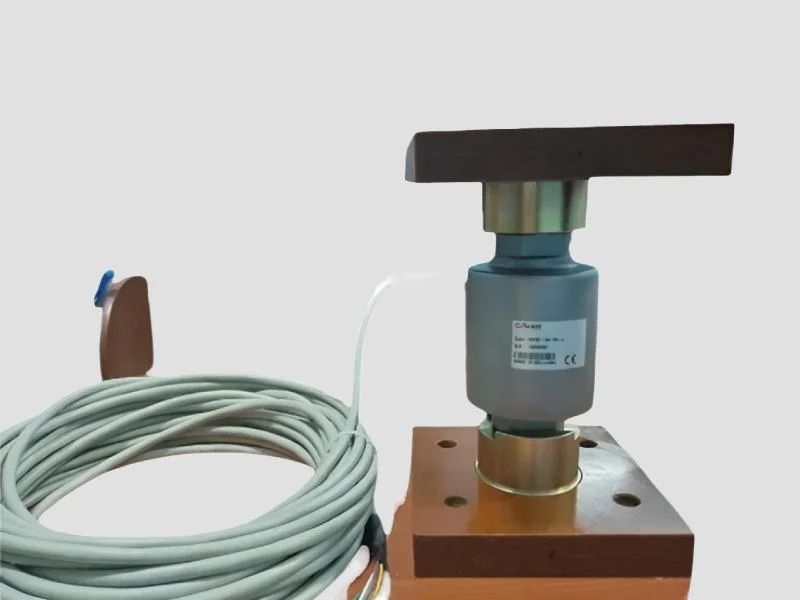
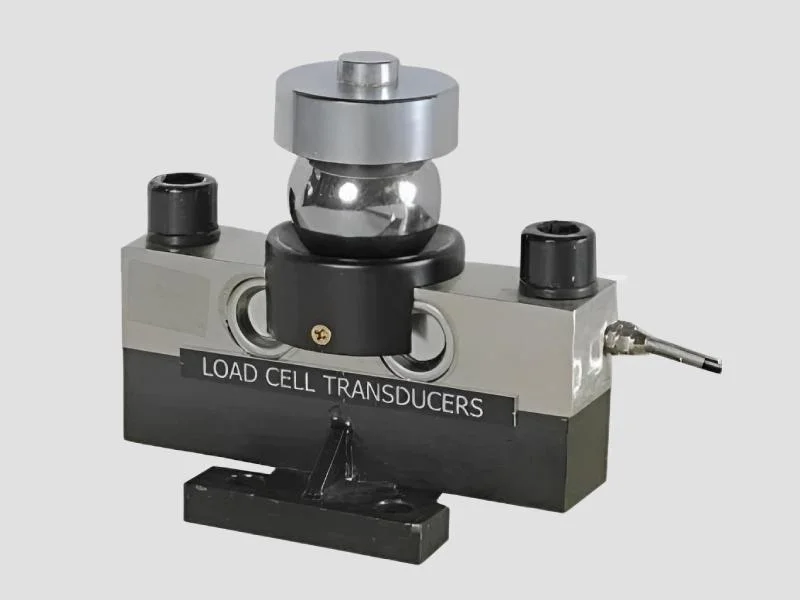
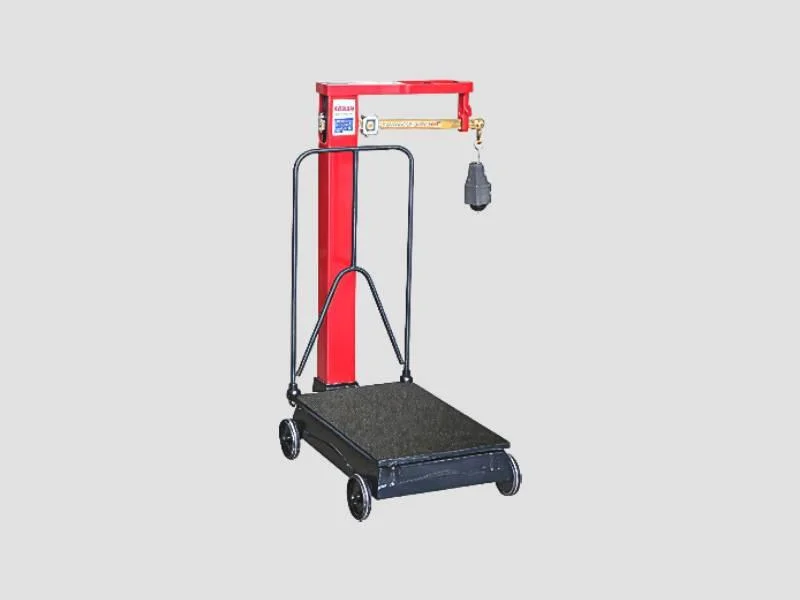
𝗪𝗵𝗮𝘁 𝗮𝗿𝗲 𝗖𝗮𝗹𝗶𝗯𝗿𝗮𝘁𝗶𝗼𝗻 𝗦𝗲𝗿𝘃𝗶𝗰𝗲𝘀?
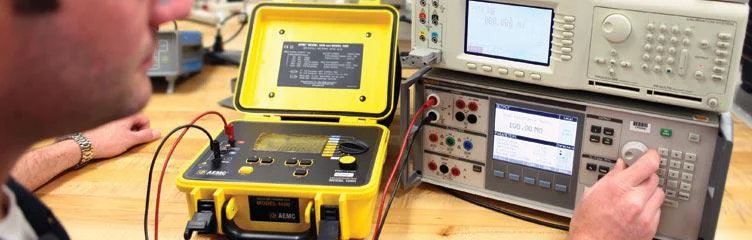
Calibration services are essential processes used to ensure that measuring instruments and devices produce accurate and reliable results. These services involve comparing the measurements of a device against a standard reference to identify any discrepancies. By performing calibrations, organizations can maintain quality control and compliance with industry regulations, ultimately enhancing the reliability of their operations.
Calibration services are employed across a wide range of industries, from manufacturing and pharmaceuticals to healthcare and research. Businesses utilize these services to verify the accuracy of tools and instruments, which is crucial for maintaining product quality and meeting safety standards. Regular calibration helps in reducing errors, minimizing risks, and ensuring that businesses operate within the required specifications.
In today's competitive market, the importance of calibration services cannot be overstated. As industries evolve and regulatory standards become more stringent, organizations must prioritize accurate measurements to uphold their reputation and avoid costly mistakes. The demand for reliable calibration services continues to grow, driven by the need for precision and quality assurance in various sectors.
𝗞𝗲𝘆 𝗙𝗲𝗮𝘁𝘂𝗿𝗲𝘀 𝗮𝗻𝗱 𝗦𝗽𝗲𝗰𝗶𝗳𝗶𝗰𝗮𝘁𝗶𝗼𝗻𝘀
Calibration services offer several features that enhance their effectiveness and reliability. These services are designed to meet industry-specific standards and provide clients with accurate and dependable results.
Key specifications include:
1. Measurement Range
- Calibration services cover a wide variety of measurement ranges depending on the instruments being calibrated, including temperature, pressure, and electrical parameters.
2. Accuracy Levels
- Services typically guarantee a certain level of accuracy, often expressed as a percentage of the full scale or in terms of a specific measurement unit.
3. Equipment Types
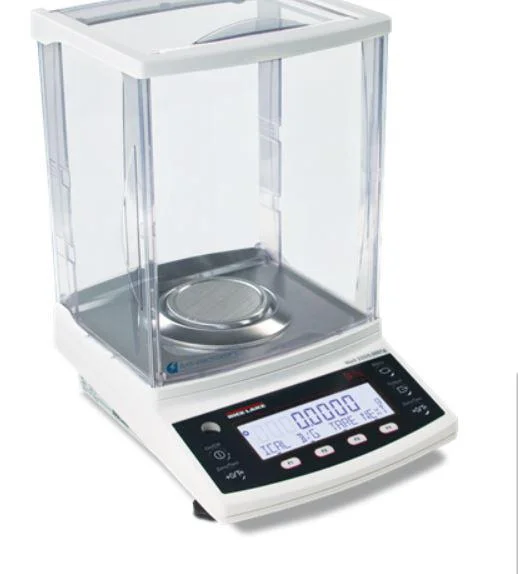
- Calibration services cater to various equipment types, including electronic devices, mechanical gauges, and laboratory instruments.
4. Certification Process
- Many calibration services provide certifications that validate the accuracy of measurements against recognized standards, such as ISO and CE.
5. ISO Compliance
- Services often adhere to ISO 9001 and other quality management standards, ensuring that processes meet global benchmarks.
6. Customized Solutions
- Some providers offer tailored calibration solutions to meet specific client needs, ensuring that unique requirements are met.
7. Traceability
- Calibration services maintain traceability to national or international standards, ensuring that measurements can be verified.
8. Reporting and Documentation
- Comprehensive reports are provided post-calibration, detailing the process, results, and any adjustments made.
In summary, calibration services are characterized by their diverse applications, compliance with standards, and a commitment to accuracy, making them indispensable in various industries.
𝗖𝗼𝗺𝗺𝗼𝗻 𝗔𝗽𝗽𝗹𝗶𝗰𝗮𝘁𝗶𝗼𝗻𝘀 𝗮𝗻𝗱 𝗨𝘀𝗲 𝗖𝗮𝘀𝗲𝘀
Calibration services find applications across multiple industries, ensuring that measurement devices function correctly and comply with regulatory standards.
1. Manufacturing: Calibration is crucial in manufacturing settings to ensure that machinery and tools produce parts within specified tolerances, thereby reducing waste and ensuring quality.
2. Pharmaceuticals: In the pharmaceutical industry, calibration services are essential for maintaining the accuracy of laboratory equipment used in research and quality control processes.
3. Healthcare: Medical devices must be accurately calibrated to ensure patient safety and effective diagnostics, making calibration services vital for healthcare providers.
4. Food and Beverage: Calibration ensures that measuring devices used in food processing meet safety and quality standards, essential for compliance with health regulations.
5. Aerospace: In aerospace, precision is critical. Calibration services help maintain the accuracy of navigation and control systems, ensuring safety in flight operations.
6. Environmental Monitoring: Calibration is used in environmental testing to ensure that instruments accurately measure pollutants and other parameters, aiding in compliance with regulations.
7. Telecommunications: In telecommunications, calibration services are used to ensure that signal measuring equipment operates accurately, enhancing the reliability of communication systems.
𝗣𝗿𝗼𝗱𝘂𝗰𝘁 𝗩𝗮𝗿𝗶𝗮𝗻𝘁𝘀 𝗮𝗻𝗱 𝗦𝘂𝗯𝗰𝗮𝘁𝗲𝗴𝗼𝗿𝗶𝗲𝘀
Calibration services encompass a range of offerings to meet various business needs. Each variant is designed to cater to specific applications and market requirements.
Standard Calibration Services: These services typically involve routine calibration of common measuring instruments such as pressure gauges, thermometers, and multimeters. They ensure that these tools produce accurate results, adhering to relevant standards.
Advanced Calibration Services: Advanced services cater to specialized equipment, including laboratory instruments and high-precision devices. These services often involve complex procedures and may include custom solutions tailored to specific client requirements.
On-Site Calibration Services: For businesses that prefer convenience, on-site calibration services are offered. Technicians visit the client's location to perform calibrations, minimizing downtime and ensuring that equipment remains operational.
Remote Calibration Services: This emerging variant leverages technology to perform calibrations remotely. Data is transmitted electronically, allowing for efficient calibration processes without the need for physical instrument handling.
𝗕𝗲𝗻𝗲𝗳𝗶𝘁𝘀 𝗮𝗻𝗱 𝗔𝗱𝘃𝗮𝗻𝘁𝗮𝗴𝗲𝘀
Choosing calibration services provides numerous benefits that enhance operational efficiency and compliance.
Key benefits include:
1. Improved Accuracy: Regular calibration ensures that measuring instruments provide precise measurements, reducing the likelihood of errors in production and testing.
2. Compliance Assurance: Calibration services help organizations comply with industry regulations and standards, mitigating risks associated with non-compliance.
3. Enhanced Quality Control: By maintaining accurate measurements, businesses can improve their quality control processes, leading to higher product quality and customer satisfaction.
4. Cost Savings: Accurate measurements reduce waste and rework, leading to significant cost savings over time.
5. Risk Mitigation: Calibration services minimize the risks associated with equipment failure, ensuring that businesses operate smoothly without unexpected disruptions.
6. Increased Reliability: Calibration enhances the reliability of instruments, contributing to consistent performance and dependable outcomes.
𝗕𝘂𝘆𝗶𝗻𝗴 𝗚𝘂𝗶𝗱𝗲 𝗳𝗼𝗿 𝗕𝟮𝗕 𝗕𝘂𝘆𝗲𝗿𝘀
When sourcing calibration services, it is essential for businesses to consider several critical factors to ensure they choose the right provider.
1. Quality Assessment: Evaluate the quality of calibration services by reviewing certifications, industry standards adherence, and customer testimonials. Quality assurance is paramount for reliable results.
2. Supplier Verification: Vet potential suppliers by checking their accreditation, experience in the industry, and reputation. A verified supplier network ensures trust and reliability.
3. Pricing and MOQ: Assess pricing structures and minimum order quantities to ensure they align with your budget and operational needs. Understanding cost implications is crucial for effective budgeting.
4. Delivery and Lead Times: Inquire about delivery times and lead times for calibration services. Timely delivery is essential to minimize disruptions in operations.
5. Compliance Requirements: Ensure that the calibration services offered meet all relevant compliance and regulatory requirements specific to your industry. This is vital for maintaining operational integrity.
𝗖𝗼𝗺𝗽𝗹𝗶𝗮𝗻𝗰𝗲 𝗮𝗻𝗱 𝗖𝗲𝗿𝘁𝗶𝗳𝗶𝗰𝗮𝘁𝗶𝗼𝗻𝘀
Calibration services are governed by various quality standards and certifications, ensuring reliability and accuracy in measurements.
Key industry standards include ISO 9001, which outlines quality management principles that organizations must adhere to. This ensures that calibration processes are consistent and reliable.
Additionally, many calibration service providers hold industry certifications such as CE, which indicates compliance with European health, safety, and environmental protection standards.
Safety and testing requirements are also critical. Calibration services must adhere to regional compliance regulations, which can vary based on geographic location. It is essential for businesses to confirm that their chosen calibration provider meets these requirements.
Moreover, regional considerations, such as specific certifications or standards applicable in different countries, play a vital role in ensuring compliance and quality assurance for calibration services.
𝗪𝗵𝘆 𝗦𝗼𝘂𝗿𝗰𝗲 𝗖𝗮𝗹𝗶𝗯𝗿𝗮𝘁𝗶𝗼𝗻 𝗦𝗲𝗿𝘃𝗶𝗰𝗲𝘀 𝗳𝗿𝗼𝗺 𝗣𝗲𝗽𝗮𝗴𝗼𝗿𝗮?
Pepagora provides a trusted platform for sourcing calibration services, offering several advantages to B2B buyers.
Verified Supplier Network: Pepagora collaborates with a network of verified suppliers, ensuring that businesses can access high-quality calibration services backed by industry expertise and credibility.
Streamlined RFQ Process: The platform features a streamlined request for quotation (RFQ) process, allowing buyers to easily compare multiple quotes from different suppliers, facilitating informed decision-making.
Trade Assurance and Support: Pepagora offers trade assurance and support to buyers, providing protection and assistance throughout the sourcing process. This ensures a secure purchasing experience.
Regional Coverage: With a strong presence in regions such as India, the GCC, and Southeast Asia, Pepagora enables businesses to access calibration services tailored to local market needs while ensuring compliance with regional standards.

 IN
IN